How to Choose the Best Flag Pole in 2026?
A Flag Pole may look like a simple purchase, until a gust catches the fabric and the ground sleeve starts to shift. Choosing well means matching pole height, material, finish, and mounting method to your flag, site, and local wind exposure. A bright residential lawn and a coastal property do not ask the same thing of a pole.
Reliable decisions start with technical evidence. ASCE/SEI 7-22 sets out how wind loads are evaluated for structures, while NOAA’s U.S. Climate Normals help describe local weather patterns. These sources do not rank flagpoles, but they help explain why location and installation matter. A tall pole with a large flag can face greater wind forces than a shorter pole flying a smaller banner. Check the manufacturer’s specifications, installation instructions, and warranty—not just the advertised height.
There is one point worth being candid about: no source was provided for a verifiable, named flagpole-industry expert quotation, so I will not invent one. That restraint matters. A polished quote without a traceable source weakens trust, even when the advice sounds sensible. This guide will compare common materials, residential and commercial designs, wind considerations, and maintenance needs. It will also flag trade-offs: aluminum is light and resists corrosion, while fiberglass can suit some settings but may not fit every installation. Details matter. The best Flag Pole is not automatically the tallest or cheapest. It is the one suited to the site, installed correctly, and maintained over time.
Determine the Flag Pole’s Purpose and Installation Location
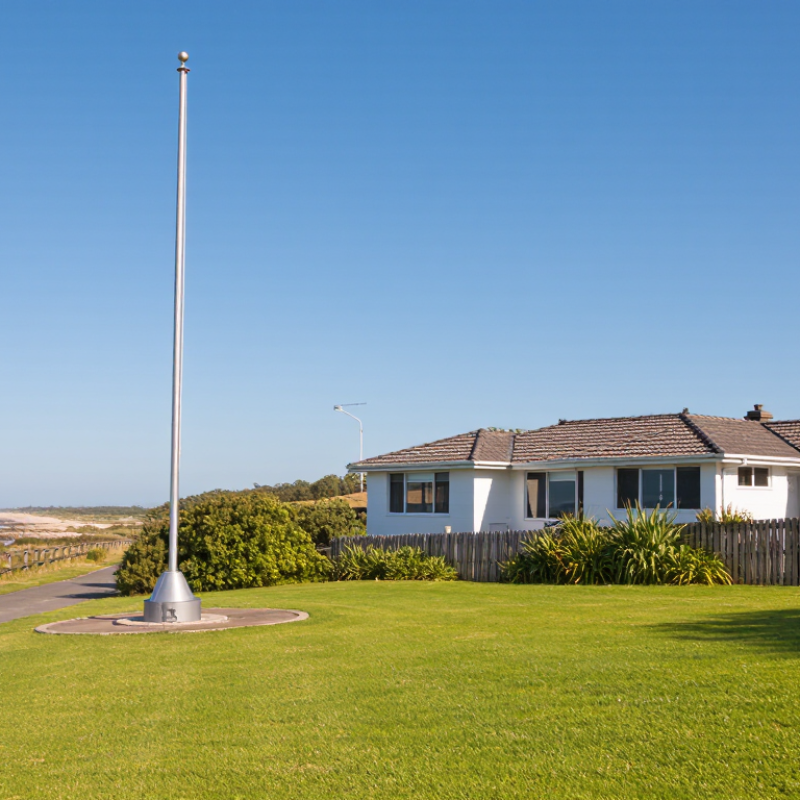
A flag pole should suit its job before it suits the view. A small garden flag needs little height, while a school or business flag must remain visible above nearby roofs and trees. Measure the flag, then check overhead wires, paving, drainage, and access for maintenance. A pole beside a driveway may look convenient, but vehicle clearance can become a daily problem.
Location also determines wind exposure and foundation needs. ASCE/SEI 7-22 provides wind-speed maps and exposure categories for structural design; these help qualified installers assess local conditions. NOAA’s 1991–2020 U.S. Climate Normals include station-based monthly average wind speeds, useful for comparing local climate patterns. Averages do not capture every gust. Check local records and have a professional confirm the pole and footing specifications, especially in open coastal or elevated sites. I would not choose height by appearance alone. That is an easy mistake.
Tips: Stand where the flag will be viewed, and photograph the site from the street. Mark underground utilities before digging. Leave room for the flag to move freely, and check the ground after rain; a tidy lawn can hide soft soil.
Compare Pole Materials, Heights, and Construction
How to Choose the Best Flag Pole in 2026?
Compare Pole Materials, Heights, and Construction
Choosing a flag pole starts with its setting. Aluminum is light and resists rust, making it practical for many homes. Fiberglass can flex in gusts, but check its rated conditions and hardware. Wood offers a traditional look and needs regular checks for weathering. No material wins everywhere. Consider salt air, strong winds, and how much upkeep you can manage.
Tips: Match the flag’s size to the pole’s recommendations. Measure the display area, too. A very tall pole may look impressive, yet feel out of scale beside a small house.
Height is only part of the choice. Check the pole’s wall thickness, joints, and mounting method. Sectional poles are easier to transport, while one-piece designs avoid some joint concerns. Telescoping models are convenient, but inspect their locking points. I might be tempted by the tallest option; that is not always the sensible choice. Compare the maker’s installation guidance and wind ratings, and make sure the base suits your soil or mounting surface.
Choose a Mounting Style and Assess Installation Needs
Choosing a flagpole begins with its mounting style. An in-ground pole suits open yards, where a buried foundation can support a taller display. A wall mount saves ground space but needs sound masonry or framing. Roof mounts can work well, though they transfer wind forces directly to the roof structure. Looks matter, but the fixing surface matters more.
Assess the site before buying. ASCE/SEI 7-22, Minimum Design Loads and Associated Criteria for Buildings and Other Structures, defines basic wind speed as a three-second gust measured 33 feet above ground in Exposure C. Its location-specific wind maps help engineers determine design loads; open, exposed sites can place greater demands on poles and mounts. Measure the available clearance, check the wall or roof condition, and note nearby trees or buildings. A sheltered patio may feel safe, yet gusts can still funnel between structures. That detail is easy to miss.
Tips: Photograph the proposed mounting point and record its height, surface material, and exposure. Compare those details with the pole maker’s installation requirements. For a tall pole, weak substrate, or high-wind location, ask a qualified installer or engineer to verify the mount and foundation. A quick visual check alone is not enough.
Check Wind Ratings, Flag Size, and Hardware Compatibility
Choosing the best flag pole in 2026 starts with its wind rating, not its finish.
Check whether the rating refers to steady wind or gusts, and compare it with your site’s exposure. A pole beside an open field faces different loads than one sheltered by a building. Treat the rating as a selection guide, not a guarantee; storms and poor installation can exceed its limits.
Match the pole to the flag’s dimensions and weight. A large, heavy flag puts more strain on the pole, especially when it stays open in strong wind. Check the recommended flag size, pole height, and material. Then inspect hardware compatibility: confirm the diameter of the mounting bracket, the halyard or clip style, and whether the flag’s grommets fit the attachment points. Small mismatches matter. Product specifications can be incomplete, so verify measurements before ordering; that extra check is easy to skip.
Tips: Measure your current bracket and flag first. Compare those numbers with the pole’s specifications, and ask for a fitting diagram if details are unclear. A neat-looking setup is no help if the clips bind or the base wobbles.
Review Maintenance, Budget, and Local Regulations
Maintenance is easy to underestimate when comparing flag poles. Check the finish, joints, halyard, and fasteners at least twice a year, and after strong storms. Look for corrosion near the base, fraying rope, or a loose pulley. Small details matter. A pole that is simple to lower can make inspections safer and less awkward. I would not choose a design based on appearance alone; access for cleaning and repairs matters too.
Set a budget for the complete installation, not just the pole. The foundation, mounting hardware, delivery, and installation can add up quickly. A taller pole may also need stronger fittings or more substantial groundwork. Ask for itemized estimates, then leave room for unexpected costs. Not glamorous, but useful. Cheaper materials may need more frequent care, though paying more does not automatically guarantee a longer service life.
Local rules can shape the choice before you buy. Contact your municipality or property manager to ask about height limits, permits, setbacks, and neighborhood restrictions. Requirements can vary even between nearby areas, so general online advice may not fit your address. Measure the planned location from buildings and walkways, and consider overhead wires and wind exposure. Keep written confirmation where possible. I may be overcautious here, but checking first is less frustrating than changing a finished installation.
How to Choose the Best Flag Pole in 2026? — Review Maintenance, Budget, and Local Regulations
U.S. Flag Dimensions to Consider When Sizing Your Pole
These official U.S. flag proportions can help you choose a flag size that suits your pole. The measurements are percentages of the flag’s hoist (height). Pole-height limits, permits, and setback rules vary by location, so check local regulations before installation; inspect the pole and hardware regularly for wear.
Source: U.S. flag specifications in Executive Order 10834.