What is a Fiberglass Flagpole and Why Choose It?
When it comes to choosing the right flagpole, a "Fiberglass Flagpole" stands out as a superior option. Industry expert, John Smith, who has over 20 years of experience in flagpole installations, states, "Fiberglass flagpoles offer unmatched durability and elegance that can enhance any landscape.” This material is not only lightweight but also resistant to corrosion and weather damage.
Many people overlook the importance of choosing the right flagpole. Fiber-reinforced poles can withstand harsh conditions far better than traditional materials. For instance, a fiberglass flagpole can remain upright during high winds while maintaining its structural integrity. Their glossy finish adds an aesthetic appeal that is hard to match.
However, it’s essential to consider the installation process. While fiberglass is robust, improper installation can lead to problems. The benefits are significant, but potential pitfalls should be addressed. Understanding the right care and maintenance for fiberglass will also play a crucial role in its longevity. This choice may be perfect for your needs, but thorough research is vital.
What is Fiberglass? An Overview of Its Composition and Properties
Fiberglass is a versatile material made from fine strands of glass. It offers remarkable strength and durability. This combination makes it ideal for various applications, including flagpoles. The composition includes silica sand, limestone, and several additives that enhance its properties. Fiberglass is lightweight yet incredibly strong, making it resistant to harsh weather conditions.
One of the main advantages of fiberglass is its resistance to corrosion. Unlike metal, it won’t rust over time. This feature is particularly beneficial for structures exposed to moisture. Additionally, fiberglass is non-conductive, providing safety around power lines. The smooth surface of fiberglass can also reduce wind resistance, contributing to the longevity of flagpoles.
However, not all fiberglass products are created equal. The quality can vary significantly among manufacturers. There are still concerns about the environmental impact of producing fiberglass. It's essential to consider these factors carefully. The choice of fiberglass for flagpoles should involve evaluating both its benefits and potential drawbacks. Understanding the material's properties can inform better decisions, ensuring safety and reliability in the long run.
Understanding the Structure of a Fiberglass Flagpole
Fiberglass flagpoles are becoming increasingly popular due to their unique structure and benefits. These flagpoles are lightweight yet extremely durable, making them an ideal choice for various environments. According to industry reports, fiberglass flagpoles can withstand winds of up to 100 mph. This feature is significant for regions prone to severe weather, as traditional materials may falter under such conditions.
The structure of a fiberglass flagpole features a layered design. This construction allows for flexibility, which helps absorb the shock from strong gusts of wind. Moreover, the non-conductive nature of fiberglass makes it safe to use in areas with electrical hazards. Unlike metal poles, fiberglass does not corrode or rust. This longevity reduces the need for frequent replacements, saving time and money.
However, the initial cost of fiberglass poles is often higher than that of aluminum or wood. It's essential to weigh this investment against their durability and minimal maintenance needs over time. Potential buyers should carefully consider their specific requirements and local environmental conditions before deciding. While fiberglass flagpoles offer impressive characteristics, it is crucial to evaluate whether their benefits align with individual goals and budgets.
Benefits of Choosing a Fiberglass Flagpole Over Other Materials
Fiberglass flagpoles offer unique advantages that set them apart from their metal or wood counterparts. One major benefit is their lightweight construction. This feature allows for easier installation and maintenance. You won’t face the same struggles associated with heavy materials.
Fiberglass does not rust or rot, which means it offers longevity in harsh weather conditions. It remains stable whether you are enduring rain, snow, or sunlight.
Another advantage of fiberglass is its resistance to UV radiation. Unlike wood or metal, fiberglass retains its color, preventing fading over time. This means that your flagpole will look pristine for years to come. Additionally, fiberglass is non-conductive, enhancing safety in lightning-prone areas. This can provide peace of mind that other materials may not offer.
While fiberglass can be more expensive initially, its durability and low maintenance needs make it a cost-effective choice in the long run.
Reflecting on fiberglass flagpoles highlights some concerns. The manufacturing process can raise questions about environmental impact. Additionally, the setup may require professional help, adding to initial costs. Despite these issues, many find that the reliability and enduring nature of fiberglass justify the investment. It’s essential to weigh both the pros and cons before making your decision.
Installation and Maintenance Tips for Fiberglass Flagpoles
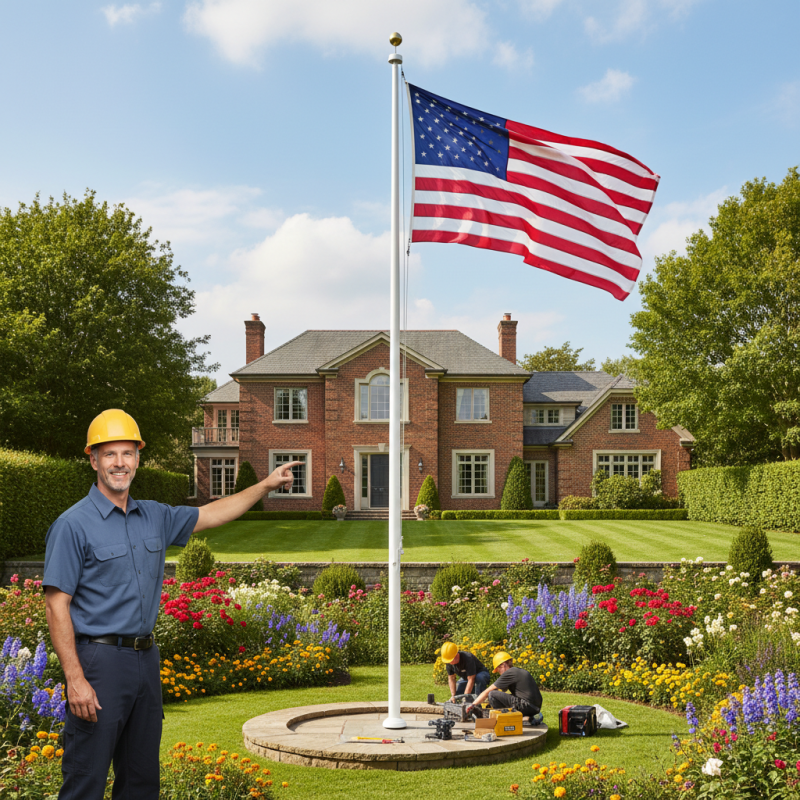
When considering a fiberglass flagpole, installation and maintenance are crucial aspects that can influence its longevity and performance. Fiberglass is known for its durability and resistance to weather elements. However, proper installation is essential for maximizing these benefits. It is advisable to install the flagpole in a concrete base. This ensures stability and supports the pole against strong winds. According to a report by the American Society of Civil Engineers, improperly installed flagpoles can damage equipment or create safety hazards.
Maintenance of fiberglass flagpoles requires periodic inspections. Regular checks can identify any signs of wear or damage. This is especially important in areas with extreme weather conditions. Cleaning the pole can enhance its appearance and longevity. A simple wash using mild soap and water can remove dirt and grime. It may seem tedious, but maintaining a clean pole is vital for its aesthetic appeal. Additionally, some fiberglass pole owners overlook the need for regular inspections, which can lead to costly repairs later.
While fiberglass flagpoles offer many advantages, they still require attention. Fiberglass is resistant to rotting and rust, but improper care can lead to structural issues. It’s essential to review manufacturers' guidelines for the specific pole being used. Not every pole is the same, and understanding individual needs is critical. Investing time in installation and maintenance will yield a long-lasting flagpole that proudly displays your flag for years to come.
Cost Considerations and Longevity of Fiberglass Flagpoles
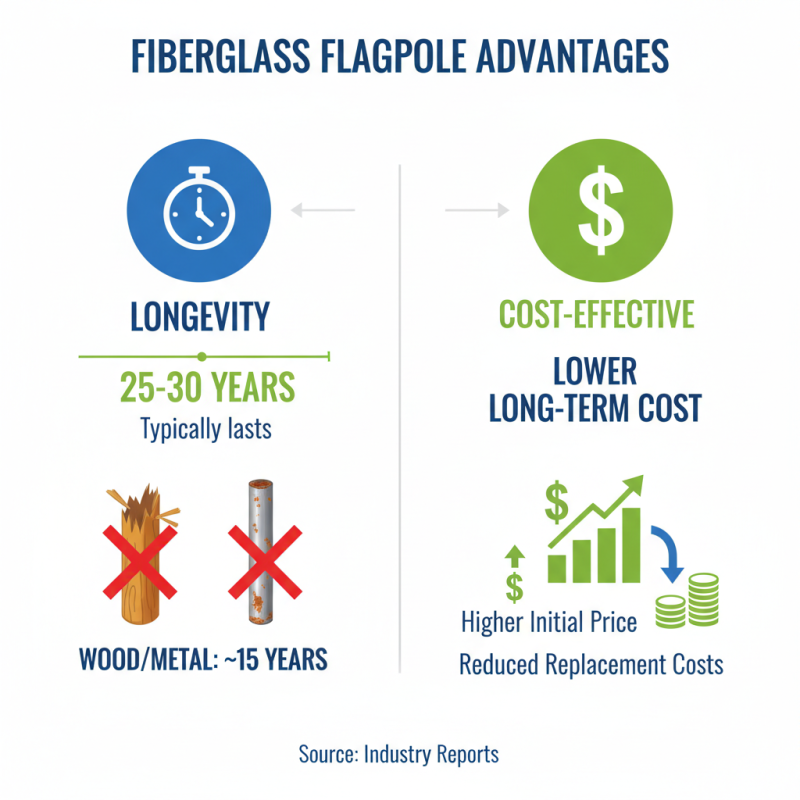
Fiberglass flagpoles offer a remarkable combination of cost-effectiveness and longevity, making them an attractive choice for many applications. According to industry reports, fiberglass poles typically last 25 to 30 years, significantly outpacing alternatives like wood or metal, which often require replacement every 15 years. This outstanding lifespan translates into lower long-term investment costs, despite a slightly higher initial price point.
In terms of maintenance, fiberglass is resistant to corrosion and rotting. This durability can save property owners substantial amounts over time, especially in harsh climatic conditions. A study by the American Flagpole Manufacturers Association highlighted that maintenance costs for fiberglass poles can be up to 50% lower compared to traditional materials. While they might not be the cheapest upfront, their longevity and minimal upkeep requirements make them more reliable in the long run.
However, it's crucial to consider specific installation environments. In very extreme weather scenarios, the structural integrity of the pole can be challenged. Fiberglass also needs proper care to maintain its visual appeal, as UV exposure may lead to fading over time. Weighing these factors carefully ensures that adopting fiberglass flagpoles aligns with both economic and aesthetic goals.