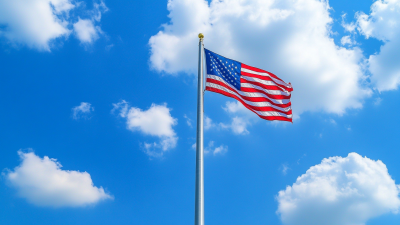
What Is the Best Aluminum Flagpole in 2026?
Choosing the best Aluminum Flagpole in 2026 requires more than comparing prices, heights, and polished product photos. A dependable pole must suit its location, flag size, wind exposure, soil conditions, and installation method. A six-meter pole beside a coastal home faces different demands than one outside a quiet inland office. Salt air can stain hardware. Loose ground can weaken an otherwise excellent installation.
John E. Kline, a veteran aluminum flagpole installer, explains, “The best pole is matched to its site, not simply chosen from the tallest catalog page.” That practical view guides this article. We will examine alloy strength, wall thickness, finish quality, internal halyards, base design, warranty terms, and maintenance needs. These details often decide whether a flagpole remains steady after years of rain and strong gusts.
Not every attractive model deserves a recommendation. Some poles feel sturdy in a showroom but flex noticeably during installation. Others include impressive accessories while using weak fasteners or thin fittings. That matters. I have also found that product specifications can be incomplete, especially when sellers avoid listing wind ratings or aluminum grades. This guide will question those gaps rather than ignore them. Still, no comparison can replace a local site assessment. Soil, building clearance, and regional weather may change the final choice. The strongest option on paper might not be the wisest purchase for your property.
What Defines the Best Aluminum Flagpole in 2026?
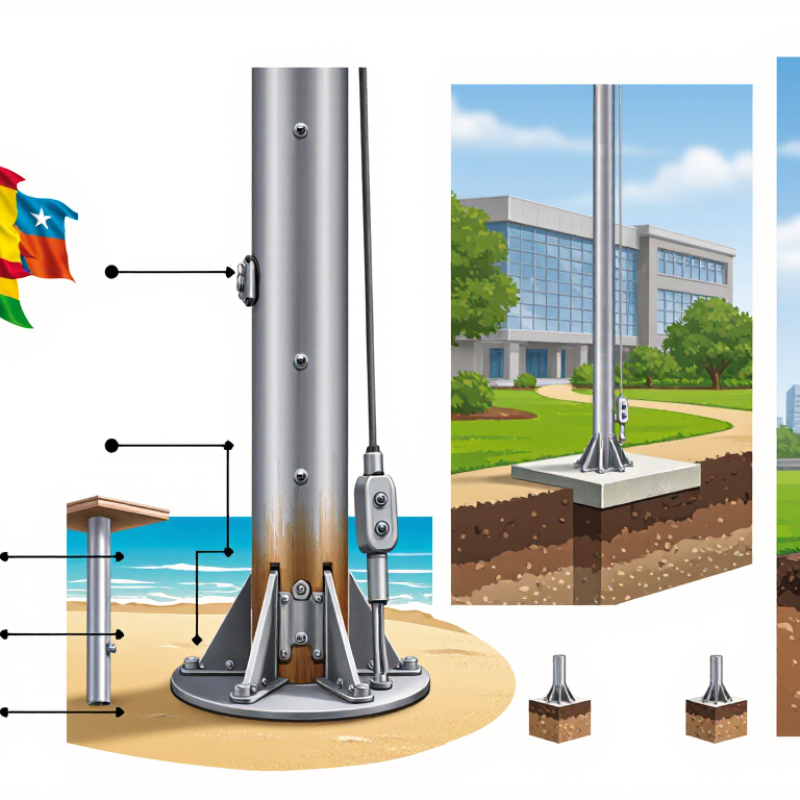
What defines the best aluminum flagpole in 2026 is how well its parts suit the site, not how impressive a specification sheet looks. Begin with the pole’s height, flag size, and local wind exposure; a tall pole carrying a large flag faces greater bending loads. Check the alloy, wall thickness, and diameter together, because strength depends on their combination. A thicker wall is not automatically better if the pole is poorly matched to its base. Small details matter. Look for a stable ground sleeve or mounting plate, secure fasteners, and a finish suited to regular outdoor exposure.
Before buying, confirm the pole’s recommended flag size and installation requirements with its specifications. A clear warranty and available replacement parts also make long-term ownership easier to assess. During installation, check that the pole stands plumb and that its base is firmly secured. Keep it simple. Routine care can include rinsing away dirt and inspecting joints, fasteners, and halyard components for wear. There is no universal winner. Coastal salt, freeze-thaw cycles, and limited access can change which design works best. A lighter pole may be easier to handle, yet less suitable for an exposed location. Consider the actual site, and be willing to revise your choice when its conditions demand it.
What Is the Best Aluminum Flagpole in 2026?
Wind resistance is one of the defining factors of a high-quality aluminum flagpole. Basic wind pressure increases with the square of wind speed, using the engineering relationship q = 0.613V², where q is pressure in newtons per square meter and V is wind speed in meters per second. A well-designed flagpole should also account for local building codes, exposure category, flag size, connection strength, wall thickness, and corrosion resistance.
Comparing Residential, Commercial, and Heavy-Duty Flagpoles
What Is the Best Aluminum Flagpole in 2026?
The best aluminum flagpole depends on location, wind exposure, and daily use. Residential poles usually range from 20 to 30 feet. They suit lawns, gardens, and smaller properties. A tapered aluminum shaft looks balanced beside a home. Wall thickness still matters, especially in coastal or windy areas. Thin poles may flex noticeably during storms. That is easy to overlook.
Commercial flagpoles often reach 30 to 50 feet. They need stronger fittings, safer access, and cleaner presentation. Internal halyards reduce visible ropes and discourage casual tampering. For shopping centers, offices, and public facilities, a smoother finish can reduce maintenance. Installation quality matters as much as the pole itself. A perfectly rated pole can still fail when its foundation is too shallow.
Heavy-duty flagpoles are designed for demanding sites, including open fields and exposed industrial properties. They use thicker aluminum, reinforced bases, and stronger rotating hardware. Check the pole’s wind rating with the intended flag size. Oversized flags create significant pressure. Taller is not always better. It may increase foundation costs and installation risks.
Tips: Measure local wind conditions before choosing a height. Inspect hinges, rope, clips, and drainage openings each season. Keep the flag clear of nearby branches. I would also request engineering data, not only attractive product photos. Even experienced buyers can underestimate soil movement.
How to Evaluate Height, Durability, Installation, and Cost
Choosing the best aluminum flagpole in 2026 starts with the site, not the tallest number on a product page. The pole should suit the building, viewing distance, and local wind exposure. A 20- to 25-foot pole may look balanced beside a one-story home, while an exposed lot may call for a sturdier design. Measure rooflines and nearby trees before deciding. Height changes leverage, too.
For durability, compare pole diameter, wall thickness, finish, and hardware materials. A coated surface can resist weathering, but scratches and trapped moisture still matter. Check the stated wind rating against the flag size and installation conditions; a large flag catches more wind. That detail is easy to miss. I would treat a rating without clear test conditions cautiously.
Installation affects both safety and long-term cost. Confirm the ground sleeve or base suits the pole, soil, and available space, and check for buried utilities before digging. Add freight, foundation materials, tools, and labor to the listed price. A cheaper pole can cost more once those items are included. The comparison is not always tidy, but total installed cost gives a more useful picture.
Choosing the Right Aluminum Flagpole for Your Property
The best aluminum flagpole in 2026 is not automatically the tallest or most expensive. It is the pole that fits your property, climate, and daily use. A suburban yard may need a 20- to 25-foot pole, while a commercial entrance may require greater height. Measure nearby trees, rooflines, and viewing distance first. A pole should look balanced, not oversized.
Choose corrosion-resistant aluminum with a sturdy wall thickness and a secure base system. In coastal areas, salt exposure makes finish quality and hardware especially important. Look for stainless-steel fasteners, smooth pulley operation, and a cap that sheds rain. A ground sleeve set in properly cured concrete improves stability. Do not guess the footing size. Local soil, pole height, and wind conditions all affect it. Professional installation is wise when the site is exposed or difficult to access.
Before buying, check the flag size recommended for the pole. An oversized flag can strain the halyard and create loud snapping in strong wind. I have seen attractive installations fail because the owner ignored this detail. That mistake is easy to repeat. Inspect the rope, clips, and finish every few months. Small scratches deserve attention before oxidation spreads. Some newer poles offer internal halyards, which reduce tampering and improve appearance, but repairs may be less convenient.