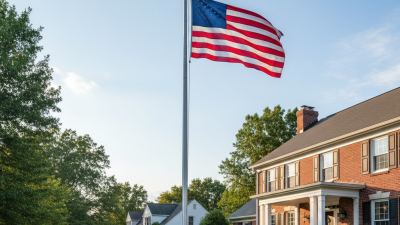
Why Choose a Fiberglass Flagpole for Your Business Needs?
When considering a durable yet elegant option for your business’s flag display, a fiberglass flagpole stands out. These flagpoles offer a remarkable blend of strength and beauty. They resist harsh weather conditions and do not rust or corrode. As a business owner, you value creating a strong impression. A fiberglass flagpole can elevate your branding while ensuring longevity.
However, some may question the cost of fiberglass compared to other materials. Ultimately, investing in a fiberglass flagpole can yield long-term savings due to its durability. Consider the maintenance costs of steel or wood options. They tend to require more frequent repairs or replacements, which can add up over time. A fiberglass flagpole can simplify your maintenance efforts.
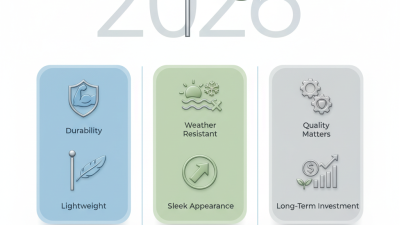
The modern look of a fiberglass flagpole also cannot be overlooked. It adds a sleek, professional touch to any business front. This can influence customer perceptions and attract more foot traffic. Thus, while you consider your options, reflect on the value of quality. A fiberglass flagpole may be the key to enhancing your business’s visible identity.

Advantages of Fiberglass Flagpoles Over Traditional Materials
Fiberglass flagpoles present numerous advantages over traditional materials like metal and wood. A report by the Flagpole Association reveals that fiberglass offers superior durability and low maintenance. Flagpoles made from fiberglass are non-corrosive. They resist rust and are less prone to wear from environmental factors. This can significantly lower replacement costs for businesses in varying climates.
In addition to durability, fiberglass flagpoles are lighter than their metal counterparts. According to research, this lightweight nature allows for easier installation and management. Many businesses report reduced labor costs. The ease of handling makes fiberglass an appealing choice for locations with limited installation resources. Further, fiberglass can be molded into custom shapes and colors, providing unique branding opportunities.
However, it’s essential to acknowledge that fiberglass might not suit every business's aesthetic. Some might prefer the traditional look of wood or metal. Additionally, the initial investment may be higher for fiberglass compared to cheaper alternatives. Despite these considerations, the long-term benefits, such as reduced maintenance and increased lifespan, often outweigh the initial costs.
Durability and Longevity: Industry Studies on Fiberglass Performance
Fiberglass flagpoles are becoming increasingly popular among businesses. One major reason is their durability. According to a study by the National Association of Flagpole Manufacturers (NAFM), fiberglass poles can last over 50 years, far exceeding wooden or metal options. This long lifespan reduces replacement costs and maintenance needs, making them a solid investment.
Moreover, fiberglass is resistant to weather extremes. Research indicates that fiberglass flagpoles withstand wind speeds of up to 150 mph. This is crucial for businesses in storm-prone areas. The lightweight nature of fiberglass also means easier installation and transportation. However, some users report that while fiberglass is strong, it can crack under severe impact, which suggests a need for careful placement.
Industry reports highlight maintenance advantages too. Fiberglass does not rust or corrode like metal. An NAFM survey revealed that businesses using fiberglass faced fewer maintenance issues compared to those using traditional materials. However, it’s essential to ensure proper finishing to prevent surface wear. Overall, fiberglass flagpoles offer significant benefits but still require thoughtful consideration and care in their use.
Cost-Effectiveness: Analyzing Life Cycle Costs of Flagpoles
When it comes to flagpoles, selecting the right material can significantly impact your business's budget. Fiberglass flagpoles stand out due to their life cycle cost-effectiveness. According to a report from the National Association of Flag Manufacturers, fiberglass poles can last up to 30 years with minimal maintenance. This longevity translates to lower replacement costs over time, especially when compared to aluminum or wood options, which typically require more frequent replacement.
Consider maintenance expenses as well. Fiberglass is resistant to corrosion and weather-related damage. This means less money spent on repairs or upkeep. A study by the American Institute of Steel Construction indicated that maintenance costs can account for up to 30% of a flagpole's overall life cycle costs. Choosing fiberglass helps you avoid those burdens.
**Tips:**
- Invest in professional installation for optimal placement.
- Regularly inspect your flagpole to identify any potential issues early.
- Consider local weather conditions when choosing flagpole height and strength.
Aesthetic Versatility: Design Options in Fiberglass Flagpoles
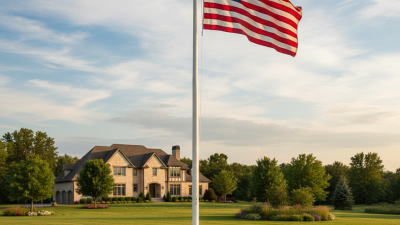
Fiberglass flagpoles offer remarkable aesthetic versatility. They come in various styles and colors, allowing businesses to match their branding easily. This adaptability can significantly enhance outdoor spaces. For example, a sleek, white fiberglass pole stands out against a blue sky. It creates a clean and professional look that attracts attention.
Custom design options are abundant. Businesses can choose from different heights and diameters. Some poles feature decorative finishes that add elegance or modernity. Others opt for a classic design to convey tradition. This diversity means businesses can create a unique identity. Employers should, however, reflect on local regulations and community aesthetics before making a choice. A decision that disregards these elements can lead to dissatisfaction.
Another practical consideration is maintenance. Fiberglass is durable and resistant to weather conditions, reducing upkeep needs. Yet, it requires the right care to maintain its appearance. Business owners should be mindful of environmental factors that may affect the pole’s longevity. Regular inspections are necessary to ensure structural integrity. Balancing aesthetics with functionality is key to making the right choice.
Design Options in Fiberglass Flagpoles
Maintenance Requirements: Comparing Fiberglass with Other Materials
When considering materials for flagpoles, fiberglass stands out for its low maintenance needs. Unlike wood or metal, fiberglass does not rot, rust, or require regular painting. This can significantly reduce labor time and costs in maintaining your outdoor displays. A fiberglass pole can withstand harsh weather conditions, making it a reliable choice for businesses located in various climates.
In contrast, metal poles often require frequent inspections for rust. They may necessitate sanding and repainting to look their best. Wooden poles, while aesthetically pleasing, can suffer from insect damage and decay. These maintenance tasks can quickly add up, affecting overall budgets and staffing efficiency. Fiberglass requires minimal intervention, allowing businesses to focus on their core activities rather than on upkeep.
However, it’s important to acknowledge that fiberglass can be more expensive upfront compared to other materials. Despite this, the long-term savings on maintenance often outweigh the initial investment. Business owners must balance these factors when making their choices. Understanding the long-term implications is crucial for effective planning.
Maintenance Requirements: Comparing Fiberglass with Other Materials
| Material |
Maintenance Frequency |
Longevity |
Cost of Maintenance |
Resistance to Weather |
| Fiberglass |
Low (every 3-5 years) |
20+ years |
Low |
Excellent |
| Aluminum |
Medium (every 1-3 years) |
15-20 years |
Medium |
Good |
| Steel |
High (annual) |
10-15 years |
High |
Fair |
| Wood |
High (annual) |
5-10 years |
Medium |
Poor |