Top Telescoping Flagpole Suppliers for Global Buyers
Choosing the right Telescoping Flagpole supplier involves more than comparing prices or product photos. Global buyers need to assess materials, construction, available heights, locking mechanisms, and the intended use. A clear product specification helps reveal whether a pole suits a temporary event, regular display, or demanding outdoor setting. Ask for details on tube dimensions, finish, included hardware, and replacement parts. Small components matter.
Supplier claims also deserve careful review. Request current product data, written warranty terms, quality-control information, and practical guidance for installation and maintenance. If a supplier offers customized lengths, colors, or packaging, confirm what is included and how those options affect lead time. Response quality can be revealing. Do answers address your actual questions, or repeat broad promises? One quotation alone rarely tells the full story.
For international orders, compare packaging standards, shipping arrangements, communication practices, and after-sales support alongside the product itself. Buyers may also request samples or inspect production evidence when order size and timing allow. These checks cannot remove every risk, and supplier comparisons are not always straightforward: specifications may use different measurements or describe similar features differently. That is worth acknowledging. A careful shortlist should balance verified details, consistent communication, and realistic delivery expectations. This guide introduces leading Telescoping Flagpole suppliers and the practical criteria global buyers can use to evaluate them with greater confidence.
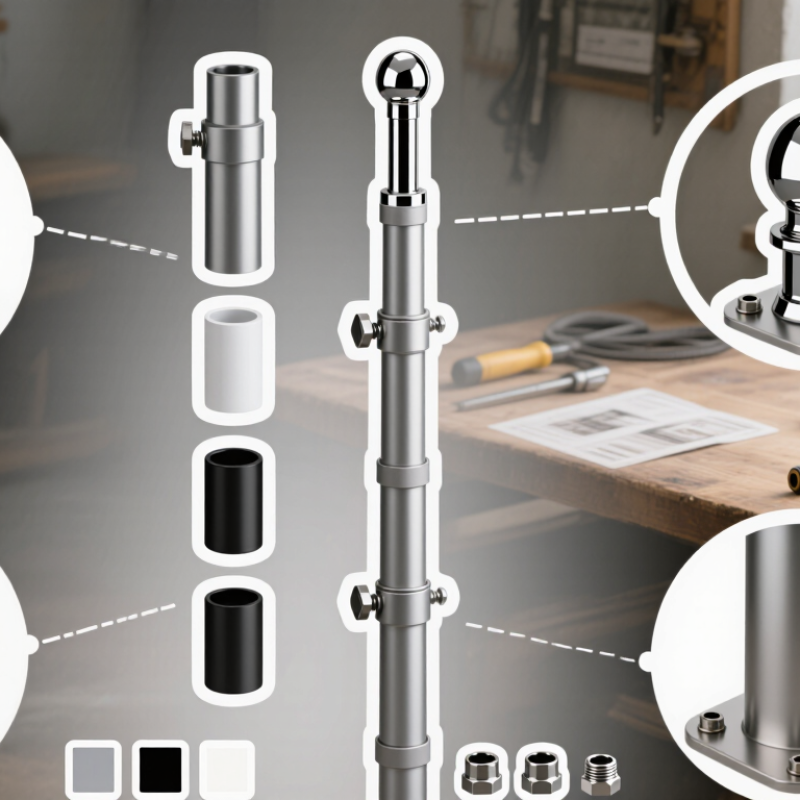
Understanding Telescoping Flagpoles and Their Global Uses
Telescoping flagpoles use nested sections that extend and lock at selected heights. Their compact form makes transport and storage easier than carrying one long, fixed pole.
Many models use aluminum for a balance of low weight and corrosion resistance, while fiberglass can offer electrical insulation. Locking systems vary, so buyers should check that each section extends smoothly and stays secure under normal handling.
Small details matter. A loose collar can let a section slip, and gritty sand may affect movement after outdoor use.
Telescoping poles serve event teams, schools, temporary displays, and mobile crews that need to move equipment between locations. In coastal settings, salt and strong gusts can shorten service life; inland sites may bring dust, heat, or freezing conditions instead.
Match pole height and flag size to the expected exposure, and use a stable base suited to the surface. Not every setup is obvious. I would also verify the packed length, replacement-part availability, and care instructions before ordering internationally, since shipping dimensions and local weather can change what counts as practical.
Key Features and Materials Offered by Leading Suppliers
Leading telescoping flagpole suppliers typically offer anodized aluminum sections, corrosion-resistant fittings, and twist-lock or button-lock mechanisms. Aluminum keeps the pole manageable during setup, while anodizing helps protect its surface from weathering. Stainless-steel pins and fasteners can reduce rust staining around joints.
Small details matter. Ask whether worn locks, end caps, and flag clips can be replaced individually; a damaged small part should not require replacing an entire pole.
Material claims deserve scrutiny. The International Aluminium Institute reports that recycling aluminum uses about 5% of the energy required to produce primary aluminum. That figure supports recycled-content questions, but it does not prove a finished pole is durable or responsibly sourced. Request material specifications and clear warranty terms.
For fiberglass options, check UV protection and section repairability; the material can resist corrosion, yet damage may be harder to spot. Not always obvious. Compare stated maximum height, collapsed length, section overlap, and load guidance for the intended flag size.
Wind exposure depends on both flag area and installation conditions, so a generic wind rating may not tell the whole story. Suppliers should provide anchoring details and explain how their ratings were tested. A polished data sheet helps, but practical replacement parts matter more over years of use.
How to Evaluate Suppliers for Quality and Reliability
When comparing telescoping flagpole suppliers, look beyond polished product photos. Ask for material specifications, tube dimensions, wall thickness, and documented load limits. These details help buyers judge whether a pole suits a windy site or frequent handling. A sample can reveal things a catalog cannot: rough edges, loose collars, or sections that stick when extended. Small details matter.
Check how the supplier verifies quality. Request inspection records, clear tolerances, and information about corrosion testing. Ask how replacement sections and locking components are packed and identified. For international orders, confirm lead times, packaging dimensions, and who handles transit damage claims. Vague answers deserve follow-up. A tidy report can still miss a rough collar, so inspect samples where possible. No checklist catches everything.
Reliability also shows in communication. Send the same technical questions to several suppliers and compare how precisely they respond. A dependable partner should explain limitations, not promise that every pole suits every location. Review how changes to specifications are approved and recorded. One overlooked point: confirm that instructions match the delivered model. It is easy to assume they will. A short trial order may expose fit, finish, or packing issues before a larger purchase, though it adds time and cost.
Comparing Supplier Capabilities, Customization, and Pricing
Comparing telescoping flagpole suppliers takes more than checking maximum height. Ask for the collapsed length, section count, tube material, and locking design. These details affect setup, packed size, and stability. Request written wind-performance data, including the test conditions; a rating without context is hard to compare. Small details matter.
Customization can cover pole height, finish, carrying cases, ground stakes, and printed flags. Confirm whether accessories are included or priced separately. Ask how replacement sections or locks can be ordered, too. For a large order, a sample can reveal rough edges, loose joints, or awkward clamps before those issues reach every shipment. Not every supplier offers this. Clarify what can actually be changed, and what is merely standard stock.
Pricing should be compared on the same specification. A low unit price may exclude packaging, spare parts, inspection, or freight. Request a line-item quote, minimum order quantity, sample cost, production lead time, and delivery terms. Also ask how defects are handled and what inspection records are available. Suppliers may estimate shipping differently, so compare the same destination and shipment size. One caution: the cheapest offer is not automatically poor value, and a higher price is not proof of better quality. Check the evidence, then weigh it against your needs.
International Sourcing, Shipping, and Compliance Considerations
Global sourcing starts with a specification sheet, not a price quote. Record extended and collapsed lengths, tube diameter, alloy, wall thickness, finish, and wind-rating test conditions. Ask suppliers for inspection records and photos of packed sections. A telescoping pole can look sturdy in a catalog yet arrive with scratched coatings or a missing locking collar. That happens.
Shipping plans should account for long cartons, dimensional charges, and port handling. UNCTAD’s Review of Maritime Transport 2024 reported that seaborne trade volumes grew 2.4% in 2023, while warning that disruption and rerouting can raise costs and delay deliveries. Build schedule buffers, and compare port-to-door quotes rather than ocean freight alone. Confirm carton length limits with the forwarder before production; a small measurement difference can change the transport option.
Compliance depends on the destination and product configuration. Request material declarations, test methods, and accurate commercial invoices, then ask a qualified customs broker to confirm tariff classification and import documentation. The World Bank’s Logistics Performance Index 2023 assessed 139 economies across areas including customs, infrastructure, and tracking. Use it as context, not a guarantee of local service. Check whether wooden packaging needs ISPM 15 treatment, and verify applicable product or installation requirements with local authorities. Paperwork is tedious. It is also easy to get wrong.
Top Telescoping Flagpole Suppliers for Global Buyers
International sourcing, shipping, and compliance considerations
Incoterms 2020 contains 11 rules: one in Group E, three in Group F, four in Group C, and three in Group D. These counts describe the structure of the rules—not supplier rankings, shipping times, or costs. Buyers should agree on the specific Incoterm and named place in their sales contract.