How to Choose the Right Telescoping Flagpole for Your Needs?
Choosing the right telescoping flagpole can seem daunting. As an industry expert, John Parker notes, "A quality flagpole enhances your pride and visibility." With a plethora of options available, it’s essential to understand what will meet your specific needs.
Different settings require different flagpoles. Homeowners might need something lightweight and easy to set up. Businesses may favor more durable options that withstand harsh weather. Consider materials and height flexibility when evaluating your choices. When selecting a telescoping flagpole, reflect on how often you’ll use it. A cheaper model might save money, but can lead to disappointment in durability and aesthetics.
It’s vital to balance features with your requirements. A tall flagpole could be impressive, but it may require more maintenance and space. Pay attention to the installation process. Some products are user-friendly, while others can be complex. By keeping these factors in mind, you can make a more informed decision that reflects your style and needs.
Understanding Different Types of Telescoping Flagpoles and Their Uses
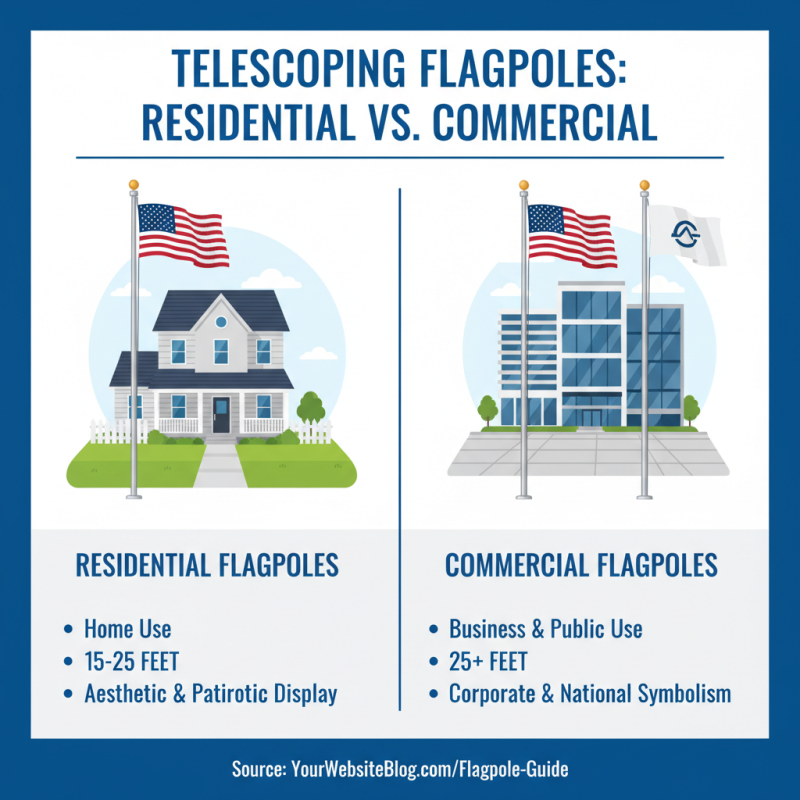
When selecting a telescoping flagpole, understanding the different types available is crucial. There are primarily two categories: residential and commercial flagpoles. Residential flagpoles are typically shorter, extending from 15 to 25 feet. They are ideal for home use, enhancing outdoor aesthetics while displaying flags for personal or patriotic expression.
In contrast, commercial flagpoles often reach heights of 30 feet or more. These are designed for visibility in public spaces, such as schools or businesses. A commercial pole may require a more robust installation process, ensuring stability during windy conditions. Consider the materials as well; aluminum and fiberglass are common choices, each with distinct advantages and maintenance needs.
Choosing the right flagpole also involves understanding its mechanism. Manual telescoping options can be more affordable, but they may require more effort to set up. Automatic mechanisms offer convenience but could be pricier. Reflections on your specific needs, including the intended flag size and location, will aid in making a more informed decision. Balancing your desires with practicality is vital for achieving a lasting display.
Key Considerations When Selecting the Correct Height for Flagpoles
Choosing the right height for your telescoping flagpole is crucial. It can impact visibility and aesthetics. A general guideline is to select a pole height that is proportional to the surrounding structures. For commercial spaces, a height of 20 to 30 feet works well. For residential use, 15 to 25 feet is often sufficient. These measurements allow the flag to be seen without overwhelming the landscape.
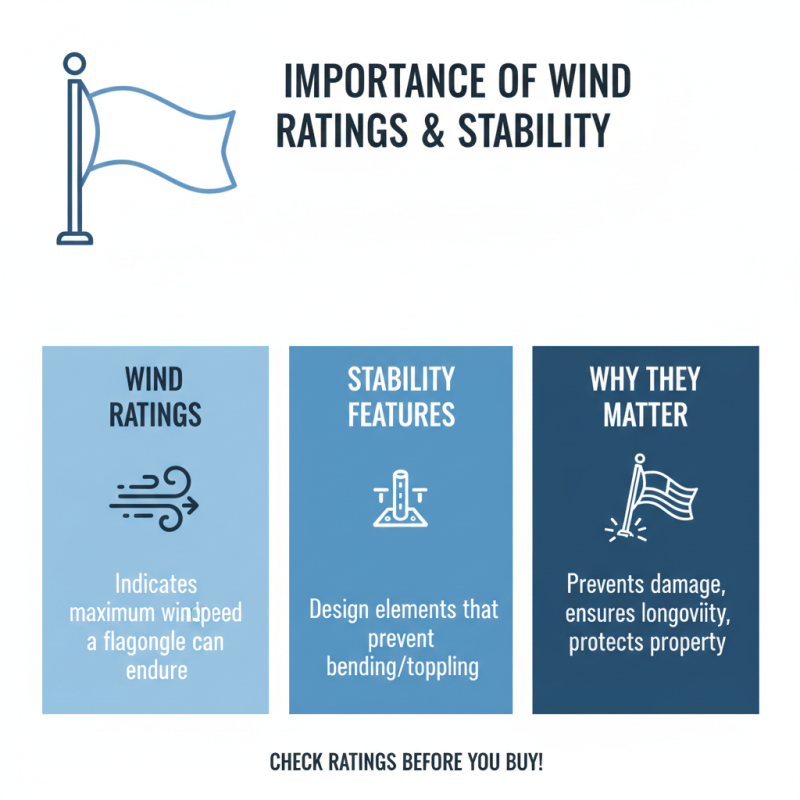
Consider wind conditions when selecting height. Taller poles may sway more in strong winds, leading to potential damage. A report from the American Wind Energy Association states that higher poles can encounter wind loads that increase with height. This data suggests that one should evaluate local weather patterns and possible wind speeds. Additionally, your pole's materials and construction should be able to withstand these forces.
Remember, it’s also about personal preference. Some may prefer a smaller flagpole to create a cozy look. Others might want a towering presence that stands out. This subjective choice makes each installation unique, but it’s important to acknowledge that what looks good may not always be optimal for durability or local regulations. Balancing aesthetic desires with practical needs can be challenging but necessary for a successful setup.
How to Choose the Right Telescoping Flagpole for Your Needs?
| Consideration |
Description |
Recommended Height |
| Residential vs. Commercial Use |
Determine if the flagpole is for personal spaces or larger public areas. |
15-25 ft for Residential; 20-35 ft for Commercial |
| Location |
Assess the environment, such as urban areas or open fields, which affects visibility. |
Up to 30 ft for Urban, 25-40 ft for Open Fields |
| Wind Load |
Consider the average wind speed in your area to choose a durable flagpole. |
Recommended height increases with wind load area |
| Flag Size |
Match flagpole height with the size of the flag you intend to use. |
1:4 ratio for optimal flag display |
| Installation Considerations |
Ensure you have the necessary space and conditions for safe installation. |
Height should allow safe installation activities |
Material Comparisons: Aluminum vs. Fiberglass in Telescoping Flagpoles
Choosing the right material for your telescoping flagpole can significantly impact its durability and performance.
Aluminum flagpoles are lightweight and resistant to corrosion.
They are often chosen for their affordability.
A report by the American Flagpole Manufacturers Association noted that aluminum poles account for approximately
70% of the market due to their favorable cost-to-strength ratio.
However, they can bend and degrade over time, particularly under extreme weather conditions.
Fiberglass flagpoles offer a different set of benefits.
They are significantly more robust and resistant to extreme weather.
Research shows that fiberglass poles can withstand winds of up to 100 mph without deforming.
Their non-conductive nature also makes them safer in lightning-prone areas.
However, fiberglass can be more expensive upfront.
It's essential to consider long-term value and maintenance.
While they may cost more initially, their longevity can outweigh the initial investment.
Personal preferences and specific applications should guide your decision on which material will serve your needs best.
Budgeting for Quality: Cost Analysis of Telescoping Flagpoles in the Market
Choosing a telescoping flagpole involves careful consideration of your budget and quality. The market offers poles ranging from $50 to over $300. A recent industry report found that the average cost for a mid-range option is about $150. That said, lower prices often compromise durability and stability, which can lead to frequent replacements. Investing a little more upfront may save you money in the long run.
Tips: Before making a purchase, research the materials used in the flagpole. Aluminum and fiberglass are popular choices. They offer strength and resistance to the elements. Additionally, examine customer reviews to gauge real-life performance. These insights can lead to wiser spending.
Remember, size matters. Taller poles can be more expensive, but they provide better visibility for your flag. A 20-foot pole, for example, is ideal for residential use, while a 30-foot pole suits commercial settings. Always consider the local zoning laws, as they can dictate height restrictions. Budget carefully; the right combination of quality and cost will ensure your flag proudly flies for years.