Leave Your Message

How to Create a Custom Flag for Your Next Event?

Creating a custom flag for your next event can be an exciting project. A custom flag serves as a visual representation of your theme or brand. It can enhance the atmosphere and engage attendees. Imagine vibrant colors and bold designs capturing attention.

Your custom flag should reflect the essence of your event. Choose images, phrases, or logos that resonate with your audience. This requires careful thought. Some designs may seem appealing at first but fail to connect with viewers. Reflect on your choices to avoid common pitfalls.

Think about placement as well. A flag displayed prominently can draw in spectators. However, poor positioning may render even the best design ineffective. A custom flag is more than a decoration; it’s a statement. Embrace the creative process and let your unique vision shine.
How to Create a Custom Flag for Your Next Event?

Choosing the Right Design Elements for Your Custom Flag

When designing a custom flag, consider its purpose and audience. A flag should communicate a message at a glance. This requires careful selection of colors, symbols, and text. Bright colors attract attention, while muted shades evoke calmness. Think about what mood you want to convey.

**Tips:** Choose colors that represent your brand or event. Avoid using more than three colors to keep it simple and impactful.

Symbols can enhance your flag's meaning. If it’s for a sports event, use related icons. For a festival, consider festive imagery. However, avoid complex designs that might confuse viewers. The simpler, the better.

**Tips:** Use high-contrast images to ensure visibility. Test designs on a small scale before finalizing.

Text should be clear and readable, even from a distance. Limit text to a short phrase or tagline. Sometimes, less is more. Remember to think about the flag's size and how it will be displayed. Dimensions can affect visibility and impact.

**Tips:** Use bold fonts. Make sure they’re easy to read quickly.

How to Create a Custom Flag for Your Next Event? - Choosing the Right Design Elements for Your Custom Flag

Design Element Description Color Palette Font Selection Size Dimensions
Logo Prominently display your brand's logo for recognition. Blue and White Sans Serif 3ft x 5ft
Slogan Incorporate a catchy slogan that aligns with your event theme. Red and Yellow Bold Script 2ft x 3ft
Graphics Use relevant graphics that represent the event's purpose. Green and Black Modern Display 4ft x 6ft
Event Date Clearly state the event date for easy reference. Orange and Gray Classic Serif 2ft x 2ft
Contact Information Provide contact details for inquiries. Purple and White Easy Read 1ft x 1ft

Selecting the Appropriate Materials for Flag Construction

When creating a custom flag, the choice of materials is crucial. Different materials can impact the flag's appearance, durability, and feel. For outdoor events, consider robust fabrics like nylon or polyester. These materials resist wind and fading, ensuring the flag looks vibrant longer. However, they may be less stylish than other options.

For indoor events, lighter fabrics like cotton offer a softer touch. They drape well, which can enhance the design. But keep in mind, they might not withstand outdoor conditions. You could also mix materials for unique textures. Maybe a nylon body with cotton accents? It can create visual interest but requires extra thought during the design process.

Don't overlook the importance of color and print methods. Some materials absorb dye better, impacting the final look. Experimenting with different combinations can lead to surprising results. But it’s easy to get caught up in perfection. Sometimes, a simple design speaks louder. Accepting imperfections can lead to a flag that feels more personal and authentic.

Understanding the Proper Techniques for Flag Fabrication

Creating a custom flag starts with understanding the proper techniques for fabrication. Selecting the right fabric is crucial. Lightweight materials work best for outdoor use. They flutter nicely in the wind and are easy to transport. Consider durability as well—flags endure weather elements.

When choosing colors, opt for vibrant shades. Bright colors make your flag stand out. But, be careful not to overdo it. Too many colors can create a chaotic look. Think about the design, too. Simplicity often leads to a more impactful flag. A clear symbol or message is key.

Tips: Test different fabric swatches before making a large purchase. This helps ensure your flag will have the desired look and feel. Make sure to use a high-quality printing method. This can affect the flag's longevity and appearance. Lastly, remember to secure your flag properly. It can be frustrating to see it fall over during an event.

Incorporating Event-Specific Themes and Colors into Your Flag

Creating a custom flag for an event requires careful consideration of themes and colors. Studies show that colors can influence emotions. For instance, blue often conveys trust, while red signifies excitement. Choosing the right palette can set the tone for your gathering.

When incorporating event-specific themes, reflection is crucial. Ask yourself: what message should the flag send? A local festival may benefit from vibrant colors representing community spirit. Alternatively, a corporate event might favor a more subdued palette, indicating professionalism. Tailoring your flag in this way ensures it resonates with your audience.

Tips:

  • Select three primary colors.
  • Limit your palette to avoid visual overload.
  • Use symbols or icons that speak to your theme.
  • Test different designs with a small group.
  • Gather feedback. Adjust accordingly.
Remember, perfection is not the goal. It’s the connection with your audience that truly matters. Embrace the imperfections; they can add character.

Displaying and Maintaining Your Custom Flag at the Event

How to Create a Custom Flag for Your Next Event?

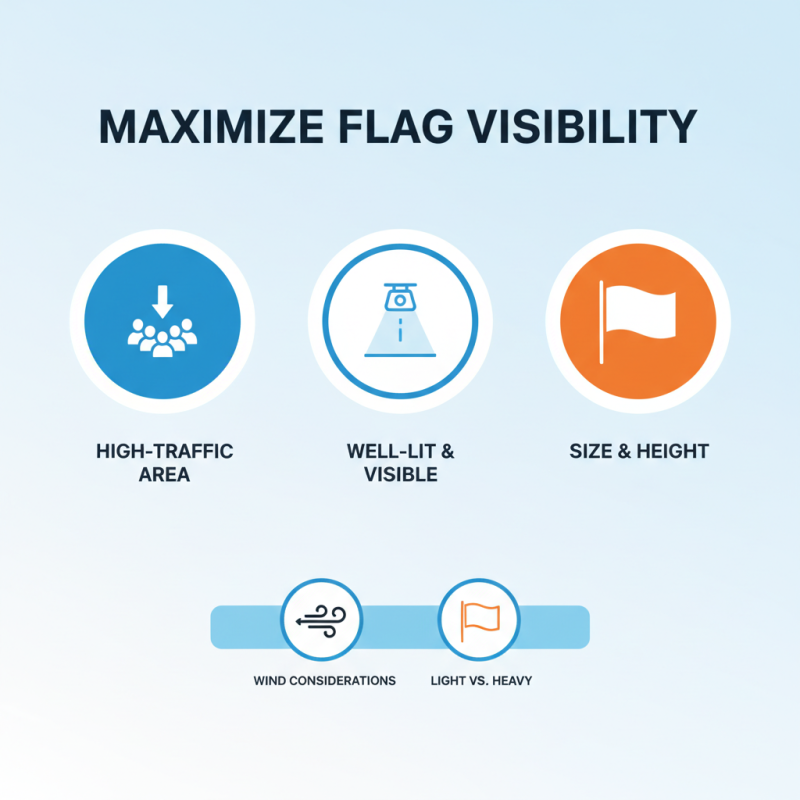
Displaying your custom flag at an event is crucial for visibility and engagement. Choose a high-traffic area for placement. Ensure it’s well-lit and easily visible from afar. If your flag is large, it can create a striking focal point. Consider the height; it should stand out but not obstruct pathways. Be mindful of wind. Heavy flags may not flutter well. Lightweight flags can sway elegantly, drawing attention.

Maintaining your flag during the event is vital. Check for any wear and tear frequently. Loose edges or fraying fabric can detract from its look. Have a toolkit handy for quick fixes. A few clips or a sewing kit can be lifesavers in a pinch. Refresh the flag by adjusting its position if it starts to droop. Occasionally stepping back to assess its visibility helps. Sometimes, a simple adjustment can make a significant impact.