How to Choose the Best Telescoping Flagpole for Your Outdoor Space
When it comes to showcasing patriotism or celebrating special events, a Telescoping Flagpole can significantly enhance the aesthetic appeal of your outdoor space. According to the National Flag Foundation, flying the American flag is a long-standing tradition that fosters a sense of community and national pride. As outdoor living spaces become increasingly popular, integrating elements such as a Telescoping Flagpole can transform a simple yard into a vibrant gathering area.
Choosing the right Telescoping Flagpole involves considering various factors, from height and material to installation and maintenance. Industry reports indicate that consumers are increasingly leaning towards adjustable flagpoles due to their versatility and ease of use. With the ability to extend and retract, these flagpoles provide a practical solution for homeowners who want to display their flags safely, without the need for permanent installation. As the demand for outdoor decor continues to rise, understanding the unique benefits and features of Telescoping Flagpoles has never been more crucial for ensuring long-lasting enjoyment and satisfaction in your outdoor area.
Understanding the Basics of Telescoping Flagpoles
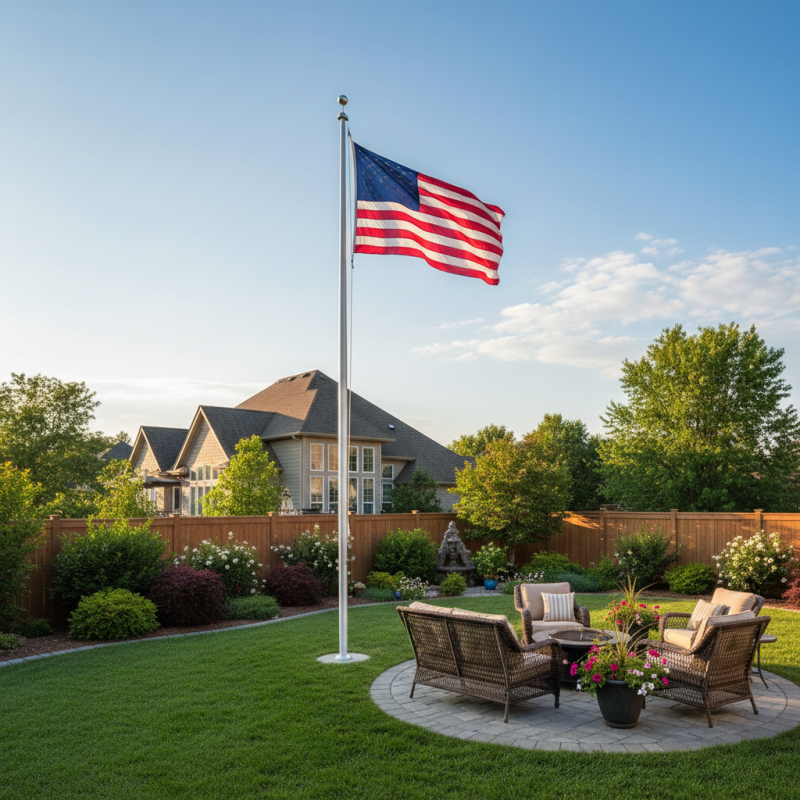
When considering the choice of a telescoping flagpole for your outdoor space, it’s crucial to first understand the fundamentals that make a flagpole both functional and aesthetically pleasing. Telescoping flagpoles typically consist of multiple segments that slide into one another, allowing for easy height adjustment. The most common materials used in their construction are aluminum and fiberglass, with aluminum being the preferred choice due to its lightweight nature and durability. According to the American Flagpole Company, aluminum poles can withstand winds of up to 60 mph, ensuring that your flag remains flying high even in challenging weather conditions.
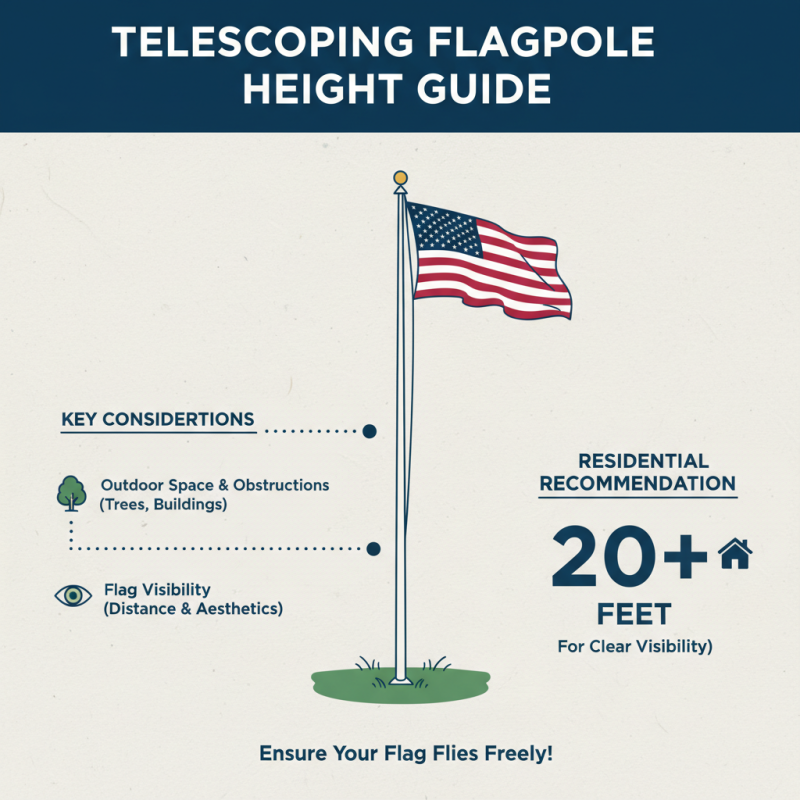
In addition to materials, the height of a telescoping flagpole varies widely, with options generally ranging from 15 to 25 feet. A 2019 industry report from the National Flag Foundation indicated that a height of 20 feet is optimal for residential settings, providing visibility without overwhelming the landscape. When selecting your flagpole, it is also essential to consider the mechanism for raising and lowering the flag, as well as the pole’s base support. A well-anchored foundation is vital for stability, particularly in regions prone to high winds. Understanding these basics not only helps in making an informed decision but also enhances the longevity and performance of your flagpole.
Evaluating Different Materials for Durability and Weather Resistance
When selecting a telescoping flagpole for your outdoor space, one of the most critical factors to consider is the material, as it directly affects durability and weather resistance. According to a report by the American Institute for Conservation, materials like aluminum and fiberglass are commonly preferred for flagpoles due to their high strength-to-weight ratios and resistance to corrosion. Aluminum flagpoles, specifically, are known for their lightweight nature, making them easy to install and manage, while also offering exceptional resistance to the elements. In fact, the corrosion resistance of high-grade aluminum can ensure that your flagpole remains intact for years, even in harsh weather conditions.
Fiberglass, on the other hand, provides excellent durability and is less susceptible to rust and corrosion compared to metal options. It can withstand extreme temperatures, UV rays, and strong winds, making it suitable for diverse climates. A study published in the Journal of Materials Science indicated that fiberglass flagpoles can endure wind loads of up to 130 mph, ensuring they survive severe storms without compromising safety. In addition, the aesthetic appeal of fiberglass, which can be painted or finished to mimic other materials, allows for greater versatility without sacrificing long-term performance. Therefore, when considering durability and weather resistance, both aluminum and fiberglass stand out as solid choices for your telescoping flagpole.
How to Choose the Best Telescoping Flagpole for Your Outdoor Space
| Material |
Durability |
Weather Resistance |
Height Options |
Weight |
| Aluminum |
High (15+ years) |
Excellent |
15' - 25' |
Lightweight (8-15 lbs) |
| Fiberglass |
Moderate (10-15 years) |
Good |
20' - 30' |
Moderate (10-20 lbs) |
| Steel |
Very High (25+ years) |
Moderate |
30' - 40' |
Heavy (30-50 lbs) |
| Plastic/ PVC |
Low (5-10 years) |
Fair |
10' - 15' |
Very Light (5-10 lbs) |
Determining the Appropriate Height for Your Outdoor Space
When selecting the height for a telescoping flagpole, it's essential to consider both your outdoor space and the flag's visibility. Generally, a flagpole should be tall enough to allow the flag to fly freely without obstruction from trees, buildings, or other structures. This height not only enhances the aesthetic appeal of your outdoor area but also ensures that the flag can be seen from a distance. A flagpole of at least 20 feet is often recommended for residential settings, especially if situated near taller structures.
Furthermore, the context of the installation site plays a crucial role in determining the appropriate height. In a community with larger buildings or towering trees, a taller flagpole may be necessary to stand out. Conversely, if your outdoor space is surrounded by low fences or shrubs, a shorter pole can suffice. It's advisable to survey the surrounding landscape and consider how the flagpole will fit within that environment. Additionally, local regulations or homeowner association guidelines may dictate specific height restrictions, so be sure to consult these resources before making your final decision.
Assessing Installation and Maintenance Requirements
When selecting a telescoping flagpole, understanding the installation and maintenance requirements is crucial for ensuring its long-term durability and effectiveness. According to the American Flag Foundation, installing a flagpole properly can prevent common issues such as bending, rust, or even falling over due to wind. Most telescoping flagpoles come with a recommended installation manual, which should be strictly followed. They often suggest that the pole be installed in concrete for added stability; a depth of three feet is generally advised for poles taller than 20 feet. Additionally, maintaining a clean area around the base prevents the accumulation of dirt and debris that could lead to corrosion over time.
Maintenance requirements vary according to the materials used in the flagpole, but industry standards recommend conducting routine inspections at least twice a year. A report by the International Engineering Consortium indicates that routine maintenance can extend the lifespan of a flagpole by up to 50%. This includes checking for rust, ensuring that the telescoping mechanisms are working smoothly, and verifying that any connections remain secure. Applying a protective coating every few years can further enhance durability, particularly in harsher weather conditions. Being proactive about installation and maintenance not only prolongs the life of your flagpole but also ensures that it continues to serve as a proud symbol in your outdoor space.
Comparative Analysis of Telescoping Flagpole Features
Exploring Design Features and Accessories for Enhanced Functionality
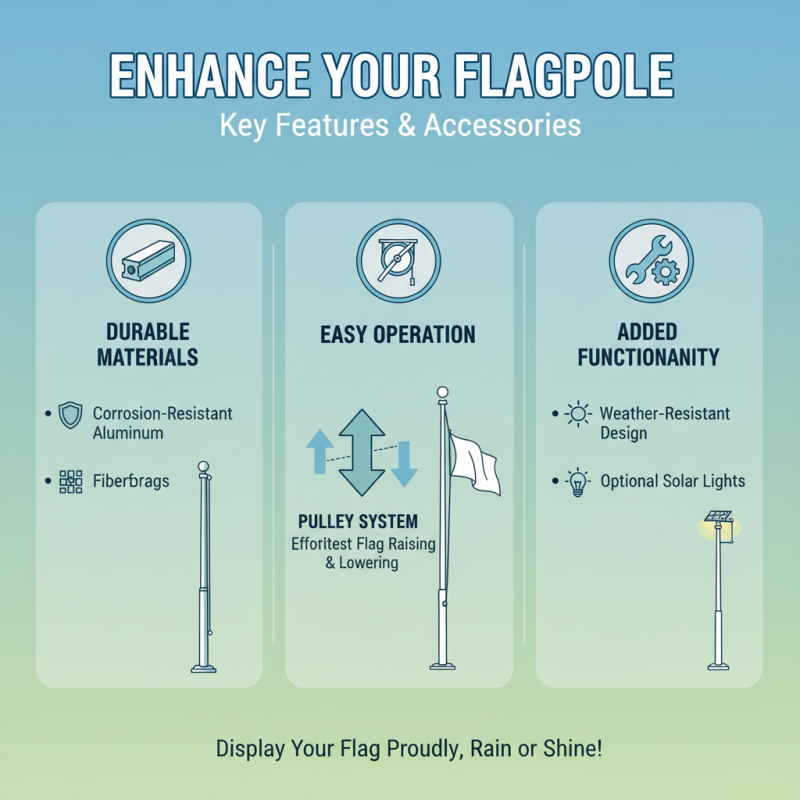
When selecting a telescoping flagpole for your outdoor space, considering design features and accessories can significantly enhance its functionality. First, evaluate the materials used in the flagpole's construction. A durable pole made from corrosion-resistant aluminum or fiberglass will provide longevity and stability, ensuring that your flag is displayed beautifully regardless of the weather conditions. Additionally, look for features such as a pulley system for easy flag raising and lowering, which can make the process effortless, especially for larger flags.
Accessories also play a crucial role in the overall performance of your telescoping flagpole. For example, a sturdy ground sleeve not only facilitates easy installation but also enhances the pole's stability during windy conditions. Moreover, adding a lighting system can illuminate your flag at night, making it visible at all hours while respecting flag display etiquette. Wind direction indicators and anti-wrap systems can further optimize your setup, allowing the flag to fly freely without tangling. By incorporating these features and accessories, you can create a flag display that is not only aesthetically pleasing but also practical and resilient.