How to Choose the Best Flagpole for Your Needs?
Choosing the right flagpole is crucial for displaying your flag prominently and securely. A well-chosen flagpole enhances your property’s aesthetic and instills pride. But, the options can be overwhelming. Different heights, materials, and styles are available.
When selecting a flagpole, consider your specific needs. Are you displaying a residential flag or a large commercial one? Your local climate also matters. Strong winds can damage a weak flagpole. It’s essential to evaluate the durability of the materials used.
Researching various flagpole types can be enlightening. Some are made of aluminum, while others use fiberglass. Each option has its pros and cons. Take your time to choose wisely. A flagpole is an investment in your property's appearance and your community's spirit. Making an informed choice can prevent future regrets.
Types of Flagpoles: A Comprehensive Overview
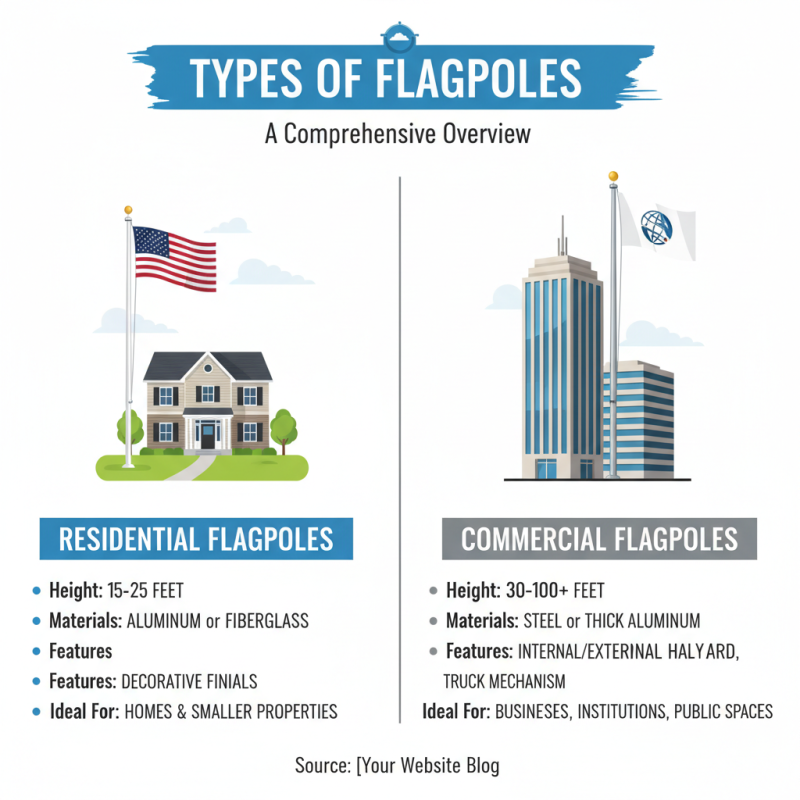
When selecting a flagpole, it’s crucial to understand the types available. The two main categories are residential and commercial flagpoles. Residential flagpoles typically range from 15 to 25 feet in height. They are often made of aluminum or fiberglass and feature decorative finials. These poles are ideal for displaying flags at homes or smaller properties.
Commercial flagpoles, on the other hand, can exceed 25 feet and are constructed from heavy-duty materials, like stainless steel. A report by the American Flagpole Manufacturers Association indicates that the commercial pole market is growing by 5% annually. This increase reflects a rising demand for durable and visually appealing flagpoles in public spaces.
Additionally, portable flagpoles are gaining popularity, particularly for events and exhibitions. These structures can be quickly assembled and disassembled. However, they may lack the sturdiness of permanent installations. Evaluating the intended use is essential when deciding on a flagpole type. Balancing durability with aesthetic requirements can sometimes lead to compromises in the selection process.
Materials Used in Flagpole Construction: Pros and Cons
When choosing a flagpole, the materials used in its construction significantly impact performance and durability. Common materials include aluminum, fiberglass, and steel. Aluminum is lightweight and resistant to corrosion. According to a report by the American Flagpole Manufacturers Association, aluminum flagpoles can last up to 30 years with minimal maintenance. However, they can bend under strong winds, which may be a concern in storm-prone areas.
Fiberglass flagpoles are gaining popularity due to their durability and aesthetics. They resist fading and are not affected by rust. However, they can be more expensive, with some models costing up to 40% more than aluminum options. A downside is that they can be brittle in extreme temperatures, which could lead to breakage.
Steel flagpoles offer strength and stability. They are ideal for heavy flags and windy conditions. However, without proper coating, steel is prone to rust. According to industry experts, regular maintenance is crucial for steel poles to ensure longevity. Each material comes with its own set of advantages and issues. Thoughtful consideration of environment, budget, and expected lifespan is essential when selecting the right flagpole.
Materials Used in Flagpole Construction: Pros and Cons
Height Considerations: Finding the Right Size for Your Flagpole
Choosing the right height for your flagpole is essential. A flagpole that is too short may not display your flag adequately, while one that is too tall can dominate the surrounding landscape. It's critical to assess the area where you will install the flagpole. Recent studies indicate that a flagpole height of 20-25 feet is optimal for residential spaces, allowing adequate visibility without overwhelming the environment.
Consider the type of flag you will use. Larger flags, such as 5'x8' or 4'x6', typically require taller poles. An ideal height-to-flag size ratio is about 1:4. If your flag is large, opt for a flagpole on the taller end of the spectrum. This ensures your flag flies proudly without becoming tangled.
**Tips:** Measure the distance to nearby structures. This can guide your height choice. Ensure the pole complements your property’s architecture. A well-placed pole can enhance the overall aesthetic. If you live in a windy area, consider the pole's material. Aluminum poles resist corrosion and are lightweight. Reflect on your local climate before deciding on height. A balance between visibility and proportion can lead to a rewarding choice.
How to Choose the Best Flagpole for Your Needs? - Height Considerations: Finding the Right Size for Your Flagpole
| Flagpole Height (ft) |
Recommended Flag Size (ft) |
Ideal Location |
Purpose |
| 20 |
3x5 |
Residential yards |
Personal display |
| 25 |
4x6 |
Public parks |
Community events |
| 30 |
5x8 |
Business premises |
Corporate display |
| 35 |
6x10 |
Large commercial sites |
Patriotic displays |
| 40 |
8x12 |
Government buildings |
Official ceremonies |
Installation Options: Above Ground vs. In-Ground Flagpoles
Selecting the right flagpole involves crucial installation options: above ground and in-ground varieties. Each type has distinct advantages.
In-ground flagpoles provide greater stability, as they are installed directly into the ground. According to the American Flagpole Company, in-ground models are recommended for areas with high winds, benefiting from enhanced support.
Above ground flagpoles offer more flexibility and ease of installation. They can be relocated without significant effort, making them suitable for temporary displays. Reports indicate that these pole types are gaining popularity for residential use, thanks to their convenience and lower installation costs.
Decisions should consider local weather conditions, space limitations, and intended use. Misjudging pole height can lead to visibility issues. It's important to select a height that fits both practical and aesthetic needs. Whether opting for in-ground stability or the flexibility of above ground, careful planning is essential.
Maintenance Tips for Long-Lasting Flagpole Performance
Maintaining a flagpole is crucial for its longevity and performance. Regular inspections are essential in identifying damage or wear. The The American Flag Foundation notes that flagpoles can last over 30 years with proper care. However, neglect can reduce their lifespan significantly.
One effective tip is to clean your flagpole at least twice a year. Dirt and grime can damage the finish and weaken the material. Use a soft cloth and a gentle cleanser for the best results. Ensure that you check for rust, especially on metal poles. If rust is found, treat it immediately to prevent further deterioration.
Another important aspect is to monitor the halyard system. Regular check-ups will help avoid fraying or tangling, which can lead to flag damage. Research indicates that nearly 50% of flagpole issues stem from faulty halyards. Replacing worn parts promptly can save time and money in the long run.
Ultimately, consistent maintenance fosters a reliable flagpole. Ignoring minor issues leads to larger problems. Remember, your flagpole is an investment that reflects your pride. Maintaining it not only preserves its function but also enhances its appearance.