What Is the Best Heavy Duty Flag Pole for Global Buyers?
Choosing the best Heavy Duty Flag Pole is not a simple matter of height or appearance. Global buyers need evidence about wind resistance, corrosion protection, installation quality, and long-term maintenance. A tall pole may look impressive, yet perform poorly on an exposed coastal site. Location changes everything.
The World Meteorological Organization’s State of the Global Climate 2023 report documented increasingly disruptive weather conditions worldwide. That finding reinforces a practical procurement lesson: wind data must guide pole selection. Engineers should review local wind speeds, exposure category, soil conditions, and foundation design. ASCE 7-22 and EN 1991-1-4 provide recognized methods for evaluating wind actions on structures. These standards do not identify one universal pole. They establish a safer design process.
Materials also deserve close attention. Marine-grade aluminum can reduce corrosion and handling weight, while galvanized steel may offer greater stiffness for demanding installations. Fiberglass resists rust, but repair and replacement decisions can become less straightforward. The ISO Survey 2023 confirms the broad adoption of ISO 9001 quality systems, giving buyers a useful framework for checking documented manufacturing controls. Still, certification alone is not proof of a superior product. Ask for alloy grades, wall thickness, weld procedures, finish specifications, rated wind conditions, and foundation drawings. Request test evidence. Inspect the small parts, too: bearings, truck assemblies, halyards, cleats, and fasteners often decide daily reliability. Some recommendations remain imperfect because suppliers may present different test methods. Careful comparison is essential. This guide examines the evidence behind heavy-duty flag pole performance, helping international buyers choose a durable, serviceable, and properly engineered solution.
What Defines a Heavy-Duty Flag Pole for Global Buyers?
What Is the Best Heavy Duty Flag Pole for Global Buyers?
What Defines a Heavy-Duty Flag Pole for Global Buyers?
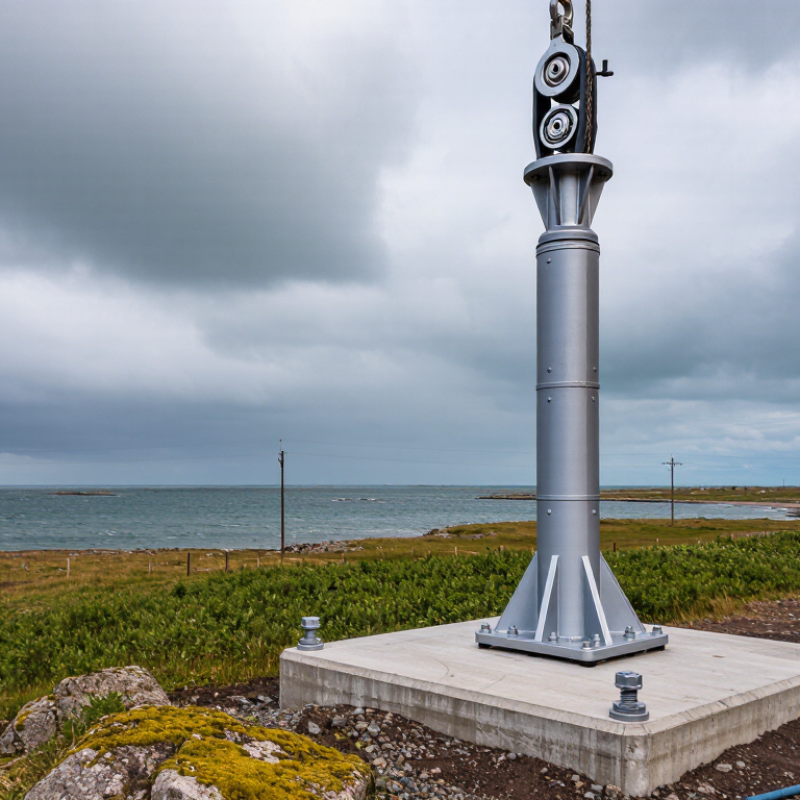
A heavy-duty flag pole begins with structural honesty, not impressive marketing. The tube should resist bending, vibration, and repeated wind loading. Steel offers strong load capacity, while aluminum reduces weight and corrosion concerns. Wall thickness matters, but thicker is not always better. Poorly designed joints can still fail.
Global buyers should examine wind ratings, foundation depth, and installation conditions together. A pole beside an open coastline faces salt, gusts, and constant moisture. A pole near a warehouse may face turbulence from tall walls. Galvanized or powder-coated surfaces can improve protection, although coatings need regular inspection. Stainless fittings help reduce rust around pulleys and fasteners.
Reliable suppliers should provide engineering calculations, material specifications, load-test information, and clear installation drawings. Local building requirements may also affect foundation design and permitted height. Shipping weight, replacement ropes, and available spare parts deserve attention. Small details become expensive after delivery.
Field checks often reveal what catalog pages miss. Watch for water collecting inside the base sleeve. Check whether the truck can reach the foundation site. Ask who handles future maintenance. A strong pole still needs correct anchoring and periodic inspection. No specification sheet answers everything, and that is worth remembering.
Which Flag Pole Materials Offer the Best Strength and Durability?
What Is the Best Heavy Duty Flag Pole for Global Buyers?
Material selection determines how a flag pole handles wind, moisture, and repeated movement. No material wins every site. Local exposure matters.
Structural steel offers excellent stiffness for large commercial poles. ASTM A572 Grade 50 steel provides a minimum yield strength of 345 MPa. Its weight can improve stability, but protective galvanizing remains essential in wet or coastal environments. ASTM A123 covers hot-dip galvanized coatings for fabricated steel products. Small coating damage can still become a maintenance problem.
Aluminum is lighter and easier to ship internationally. Common 6061-T6 aluminum extrusions provide strong mechanical performance, with yield strength near 241 MPa under ASTM B221. This option reduces foundation and installation demands. However, aluminum can be less forgiving under impact. Dents around base sections deserve careful inspection. Stainless steel resists corrosion well, especially in marine air, but its higher cost and weight may challenge some projects. Fiberglass composites offer low maintenance and electrical nonconductivity, yet ultraviolet exposure can gradually affect their surface.
Wind design should guide the final decision. ASCE/SEI 7-22 requires site-specific consideration of wind speed, exposure, risk category, and topographic effects. A tall pole with a large flag may experience severe cyclic loading. Engineers should review pole taper, wall thickness, foundation depth, fittings, and fatigue performance together. Material strength alone is not enough.
What Is the Best Heavy Duty Flag Pole for Global Buyers? - Which Flag Pole Materials Offer the Best Strength and Durability?
| Material | Typical Density | Typical Tensile Strength | Strength-to-Weight | Corrosion Resistance | Wind and Climate Suitability | Maintenance Needs | Best Use Case |
|---|---|---|---|---|---|---|---|
| Aluminum alloy 6061-T6 or similar |
Approximately 2.70 g/cm³ | Approximately 240–310 MPa, depending on alloy and temper | High; lightweight sections reduce installation and foundation loads | Very good in normal outdoor environments; may require protection in marine or highly alkaline conditions | Suitable for many commercial and institutional installations when correctly engineered for local wind speed | Low; inspect fasteners, joints, finish, and galvanic-contact areas periodically | Best overall balance for global shipping, ease of installation, corrosion resistance, and durability |
| Galvanized carbon steel | Approximately 7.85 g/cm³ | Approximately 350–550 MPa, depending on steel grade and fabrication | Moderate; high mass can improve rigidity but increases handling and foundation requirements | Good when the zinc coating remains intact; cut edges, scratches, and welds need attention | Excellent for large, fixed installations and high-wind areas when the wall thickness and foundation are properly designed | Moderate; check for coating damage, rust staining, and drainage issues | Large institutional, municipal, industrial, and permanent installations requiring high rigidity |
| Stainless steel 304 or 316 |
Approximately 7.9–8.0 g/cm³ | Typically about 515–620 MPa minimum tensile strength for common annealed grades; product specifications vary | Moderate; strong and durable but substantially heavier than aluminum | Excellent; Grade 316 generally performs better than 304 in marine and chloride-rich environments | Very suitable for coastal, humid, and high-visibility architectural applications | Low; periodic cleaning helps prevent salt deposits and surface contamination | Premium coastal, architectural, hospitality, and long-life projects where appearance is important |
| Fiberglass-reinforced polymer FRP / fiberglass |
Approximately 1.5–2.0 g/cm³ | Highly variable; often approximately 150–500 MPa along the main fiber direction | Very high; low weight simplifies transport and installation | Excellent resistance to rust and many chemicals; surface coatings may weather over time | Good for corrosive, humid, and electrically sensitive locations; engineering is essential for extreme wind exposure | Low to moderate; inspect for ultraviolet degradation, delamination, impact damage, and hardware wear | Coastal, chemical, wet, or electrically sensitive environments where corrosion-free performance is prioritized |
| Powder-coated carbon steel | Approximately 7.85 g/cm³ | Approximately 350–550 MPa, depending on steel grade and design | Moderate; offers high stiffness but requires heavier handling equipment | Good while the coating is continuous; exposed scratches can develop localized rust | Suitable for urban and inland locations, including many high-wind applications with appropriate structural calculations | Moderate; inspect the coating, welds, base plate, and water-trapping areas | Projects needing a rigid, economical pole with a wide range of color and finish options |
How to Choose the Right Height, Diameter, and Load Capacity
What Is the Best Heavy Duty Flag Pole for Global Buyers?
How to Choose the Right Height, Diameter, and Load Capacity
Choosing a heavy duty flag pole starts with the site, not appearance. Measure nearby buildings, trees, and the viewing distance. A pole that looks tall in a warehouse may appear undersized beside a large commercial property. For many entrances, heights between 20 and 40 feet provide useful visibility without creating excessive installation demands. Taller poles need deeper foundations and more careful lifting plans.
Diameter should match height, material, wind exposure, and flag size. Coastal areas, open fields, and mountain locations deserve stronger specifications. A narrow pole may flex visibly under gusts. That movement can fatigue fittings over time. Ask for the wall thickness, base design, and tested wind rating, not only the outside diameter. Load capacity must include the flag, halyard, clips, lighting, and wind pressure. Weight alone is misleading.
I once underestimated how much a wet flag could pull on a pole. The mistake looked small on paper. It was not. Use the flag’s actual dimensions and consider whether it flies continuously or only during calm periods. A qualified structural professional should verify the foundation, anchor bolts, and local installation requirements. Soil conditions can change the answer completely. Buyers should also request material certificates, inspection records, and clear maintenance instructions. A practical specification leaves room for uncertainty, because wind rarely follows the neat assumptions in a catalog.
What Is the Best Heavy-Duty Flag Pole for Global Buyers?
How to choose the right height, diameter, and load capacity
This chart estimates the aerodynamic load on a 15-square-foot flag using the simplified wind-pressure formula q = 0.00256V², where V is wind speed in mph. The estimated force uses a drag coefficient of 1.2 and does not represent certified pole capacity.
For global procurement, select the pole height and diameter only after confirming the local basic wind speed, exposure category, flag size, wall thickness, foundation design, and required safety factors. Higher wind speeds create disproportionately higher loads, so a larger-diameter pole and stronger foundation may be required even when the pole height remains unchanged.
What Installation Features Matter in Different Climates?
What Is the Best Heavy Duty Flag Pole for Global Buyers?
What Installation Features Matter in Different Climates?
A heavy duty flag pole must match local wind, soil, and corrosion conditions. The same design cannot serve every coastline or mountain site. ASCE/SEI 7-22 assigns different wind pressures by location, exposure, height, and risk category. Buyers should request a site-specific wind calculation, not rely on a generic “high-wind” label. A tapered steel shaft, reinforced base plate, and properly sized concrete footing improve stability. However, larger is not always safer.
In hurricane-prone regions, use a breakaway or engineered foundation system where local codes require it. NOAA recorded 28 U.S. billion-dollar weather disasters in 2023, including severe wind events. This supports careful anchoring and scheduled inspections. In cold climates, the footing must extend below the local frost line. Poor depth can cause seasonal heaving, tilted poles, and cracked concrete. Drainage matters too. Water trapped around the sleeve may freeze and expand.
Coastal buyers should examine ISO 9223 atmospheric corrosion categories before choosing finishes. Stainless hardware, sealed fasteners, and a powder-coated or galvanized shaft can reduce maintenance. In hot, dry regions, ultraviolet-resistant halyard materials prevent early brittleness. Field experience also exposes a weakness: installation manuals often assume ideal soil. Real ground may contain rock, fill, or hidden water. A qualified local installer should verify soil conditions and torque values. I would not treat any catalog specification as a complete engineering answer.
How to Compare Flag Pole Suppliers, Standards, and Total Costs
What Is the Best Heavy Duty Flag Pole for Global Buyers?
A heavy-duty flag pole is not chosen by height alone. Compare suppliers through material certificates, weld inspection records, coating specifications, and tested wind calculations. ANSI/NAAMM FP 1001 provides practical guidance for metal flagpole design and fabrication. ASCE 7-22 also helps engineers calculate wind loads for different locations. Ask whether the quotation includes soil conditions, gust speed, flag area, and exposure category. A polished catalogue is not proof.
Material selection affects both strength and lifetime cost. The World Steel Association reported about 1.89 billion tonnes of crude steel production in 2023. That scale does not guarantee consistent quality. Request the steel grade, wall thickness, galvanizing method, and coating system in writing. Check the base plate, anchor bolts, internal rope system, and lightning protection separately. Small parts can fail first.
Total cost is wider than the factory price. Include engineering review, packaging, inland transport, ocean freight, insurance, customs handling, installation equipment, and future maintenance. UNCTAD’s Review of Maritime Transport 2024 highlighted continuing volatility in shipping routes and costs. Shipping can bite. Compare delivered cost, not unit price. Require a drawing approval stage and a clear replacement policy. I would still leave a contingency budget; freight estimates often look precise, but they are not. The cheapest proposal may become expensive after site changes, missing hardware, or unclear warranty terms.
Related Posts
-
2026 Top Flag Pole For House Best Buying Guide?
-
Challenges in Selecting the Right Flag Pole for Your Home
-

The Ultimate Guide to Choosing the Right Telescopic Flag Pole for Every Occasion
-
Top Benefits of Using a Telescoping Flagpole in 2025
-

China's Innovation Delivers Premium Office Flag Stands to the World
-
7 Reasons Why the Best Heavy Duty Flag Pole is a Must Have for Every Business