What is a Wall Mounted Flagpole? Benefits, Installation, and Tips Explained
A Wall Mounted Flagpole is an innovative solution that caters to the growing demand for space-efficient flag display options in both residential and commercial settings. As urbanization increases, more individuals and organizations seek ways to showcase their patriotism or brand identity without compromising valuable space. According to a report by the National Flag Foundation, approximately 70% of Americans display flags at some point, underscoring the cultural significance of flags in everyday life. This highlights the importance of easy-to-install and aesthetically pleasing flag display solutions.
The benefits of a Wall Mounted Flagpole extend beyond mere visibility; they offer lower maintenance requirements and greater durability against harsh weather conditions compared to traditional freestanding flagpoles. Industry studies have shown that properly installed wall-mounted options can withstand wind speeds of up to 30 mph, making them a practical choice for varying climates. This not only ensures longevity but also provides a consistent means of flag display with minimal risk of damage, enhancing the overall appeal of a property.
In this article, we will explore the various aspects of Wall Mounted Flagpoles, including their installation process, the advantages they offer, and expert tips for choosing the right one to meet your needs. By understanding these elements, you can make an informed decision that celebrates your values while maximizing your available space.

What is a Wall Mounted Flagpole?
A wall mounted flagpole is a versatile solution for displaying flags in both residential and commercial settings. Unlike traditional freestanding flagpoles, wall mounted poles are securely attached to the structure of a building, typically on an exterior wall, making them an excellent choice for those with limited outdoor space. This design allows for easy visibility of the flag while saving ground area, making it suitable for various properties, including homes, offices, and storefronts.
The installation process of a wall mounted flagpole generally involves selecting a suitable location that receives ample sunlight and is easily visible to passersby. It typically includes securing brackets to the wall and attaching the flagpole, which can be made of sturdy materials like aluminum or fiberglass for durability. Additionally, wall mounted flagpoles can support a variety of flag sizes, allowing users to choose one that best fits their display needs. With proper installation and maintenance, a wall mounted flagpole can serve as a prominent symbol of pride, patriotism, or business branding, enhancing the aesthetic appeal of any building.
What is a Wall Mounted Flagpole? Benefits, Installation, and Tips Explained
| Dimension |
Details |
| Height |
Varies from 6 ft to 25 ft |
| Material |
Aluminum, fiberglass, stainless steel |
| Installation Location |
On a wall, preferably away from obstructions |
| Installation Height |
Recommended height: 5 to 8 feet above ground level |
| Benefits |
Space-saving, easy to mount and display flags |
| Weather Resistance |
Typically designed to withstand wind and rain |
| Maintenance |
Occasional cleaning and inspection for wear |
| Installation Tips |
Use proper anchors, ensure level placement, follow manufacturer instructions |
Key Benefits of Installing a Wall Mounted Flagpole
A wall-mounted flagpole offers a unique and practical solution for displaying flags in various environments, such as homes, businesses, and public spaces. One of the key benefits of installing a wall-mounted flagpole is its space-saving design. This type of flagpole can be easily affixed to a wall, making it an ideal choice for locations where ground space is limited. According to the Amercian Flags & Banners Association, wall-mounted flagpoles can be particularly beneficial for urban settings, where installation of traditional free-standing poles may not be feasible.
Moreover, wall-mounted flagpoles provide enhanced visibility for flags in high-traffic areas. When properly installed, the flags are elevated and can catch the eye of passersby, which can significantly contribute to brand visibility for businesses or serve as displays of patriotism for residential properties. A survey conducted by Flag Manufacturers Association of America suggests that a well-placed flag can increase community engagement and add a sense of pride, with over 70% of respondents expressing a positive sentiment toward flag displays in their neighborhoods.
Installation of a wall-mounted flagpole is generally straightforward and requires minimal tools, making it accessible for DIY enthusiasts. Proper installation ensures durability and longevity, allowing flags to withstand varying weather conditions. Additionally, when considering mounting options, it is crucial to choose materials that are resistant to rust and corrosion; aluminum and stainless steel are often recommended choices. Professional reports on exterior furnishings indicate that a well-maintained flagpole can last over a decade, reinforcing its value as a long-term investment for flag display.
Essential Tools and Materials for Installation
When installing a wall-mounted flagpole, having the right tools and materials is crucial for ensuring a successful setup. Essential tools typically include a power drill, level, measuring tape, and a stud finder. According to data from the American Flag Foundation, proper installation is key to maintaining the flag's integrity and displaying it safely. Additionally, screws suitable for your wall type—be it masonry or wood—are vital. Using appropriate hardware ensures the flagpole withstands wind loads, which can reach up to 30 MPH, as reported by the National Weather Service.
Moreover, selecting durable materials is equally important. A sturdy, weather-resistant flagpole bracket is essential for long-term use and stability. Consider utilizing stainless steel screws or anchors, as they provide additional resistance to rust and corrosion, particularly in coastal or humid environments. The American Society for Testing and Materials (ASTM) suggests that using materials with a tensile strength of at least 50,000 psi can significantly reduce the risk of structural failures over time. Properly preparing and gathering these tools and materials before installation will not only enhance durability but also ensure a beautiful display of your flag that can stand the test of time.
Wall Mounted Flagpole Benefits
This bar chart illustrates the benefits of wall mounted flagpoles. Each benefit is rated on a scale of 1 to 10, showcasing their effectiveness in terms of space savings, ease of installation, cost-effectiveness, durability, and aesthetics.
Step-by-Step Installation Process of a Wall Mounted Flagpole
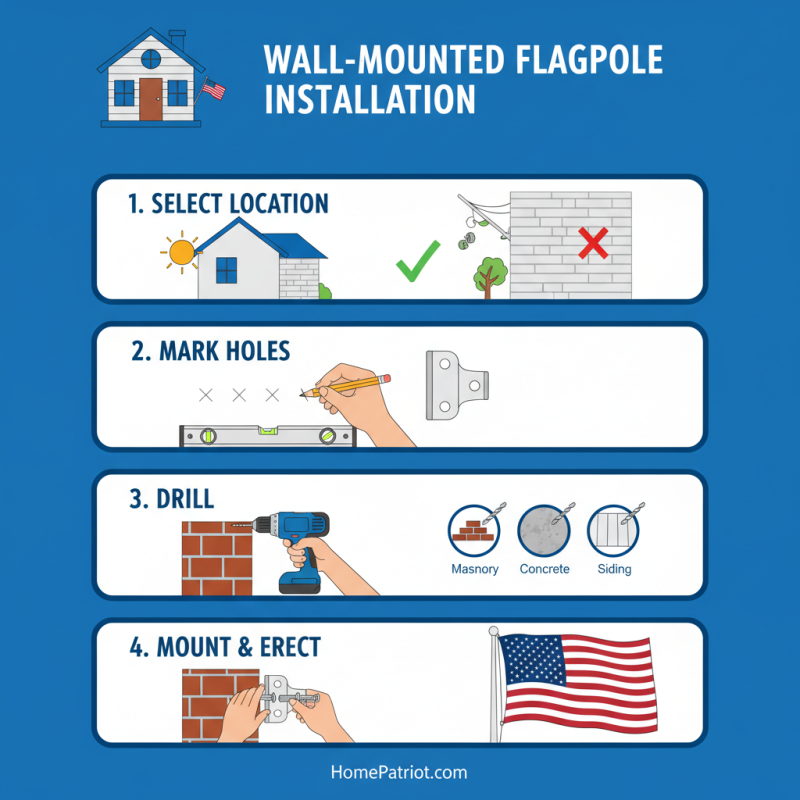
Installing a wall-mounted flagpole is a straightforward process that can enhance the aesthetic appeal and patriotic spirit of any home or business. To begin, select an appropriate location for your flagpole, ensuring it is near a wall that receives sufficient sunlight, and free from any obstructions. Mark the holes where the mounting brackets will be placed, ensuring they are level and properly aligned with the flagpole's base. Drill holes using the appropriate drill bit for your wall type, whether it is brick, concrete, or siding.
Next, affix the mounting brackets securely to the wall, using corrosion-resistant screws to guarantee strength and durability. After the brackets are installed, carefully slide the flagpole into the brackets and fasten it in place, ensuring it is stable and can withstand wind pressure without shifting. Double-check the alignment once more for a professional finish. It’s important to choose a flagpole height that complements your property and ensures visibility while respecting any local regulations that might be in place.
When installing your wall-mounted flagpole, consider the following tips: always choose high-quality materials that can withstand the elements, and plan your installation for a calm day to simplify the process. Additionally, regularly inspect the installation for any wear or loosening over time to maintain the integrity of your setup. Lastly, ensure that the flag you choose is proportionate to the size of the flagpole for a balanced look.
Maintenance Tips for Your Wall Mounted Flagpole
Maintaining a wall-mounted flagpole is essential for ensuring the longevity and functionality of both the flagpole and the flag it holds.
Regular inspections are crucial; it is recommended to check the pole for signs of wear and tear at least twice a year.
According to industry standards, visible damage such as rust, dents, or corrosion should be addressed immediately to prevent further deterioration.
This proactive approach can extend the average lifespan of a wall-mounted flagpole, which is typically around 5 to 10 years, depending on the materials used and environmental factors.
Additionally, cleaning your wall-mounted flagpole periodically is vital.
Dirt, grime, and bird droppings can not only detract from its appearance but also contribute to corrosion over time.
It is advisable to use a soft cloth, mild soap, and warm water for cleaning.
Research suggests that poles made of aluminum require less maintenance compared to those made of steel, making them a preferable choice for many homeowners.
Furthermore, ensuring that the flag itself is properly secured and replaced when worn can prevent damage to the pole and prolong its life.
Keeping the flag adequately secured to prevent whipping in the wind is crucial, with reports indicating that flags can create significant wear on poles when not maintained properly.