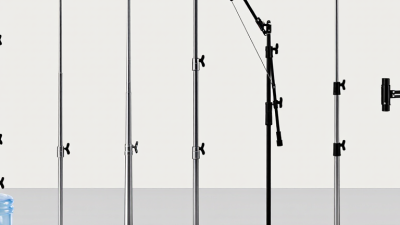
7 Tips for Choosing the Best Office Flag Stand?
Choosing the right Office Flag Stand is a small decision with a visible impact. It can shape how visitors read your workplace before anyone speaks. A stable stand keeps flags upright beside reception desks, conference rooms, and entrance displays. A weak base may wobble when people walk past or when ventilation creates a draft.
This guide shares seven practical tips for selecting a stand that suits your office, flag size, and daily routines. Consider the base weight, pole height, finish, portability, and storage requirements. Stainless steel may provide a professional appearance, while powder-coated metal can offer useful durability. Check the stand’s dimensions against your available floor space, especially near doorways and narrow corridors. A weighted base is often safer than a decorative one, but heavier does not always mean better. It may become difficult to move during cleaning or office rearrangement.
Real workplace experience matters here. A stand that looks impressive online can feel unstable on polished flooring. Product specifications should be checked carefully, including compatibility, assembly details, and warranty support. Ask whether replacement parts are available. That detail is easy to overlook.
There is no perfect choice for every office. Budget, branding needs, visitor traffic, and maintenance habits all influence the final decision. Even experienced buyers can miss a practical issue. The following tips help you compare options more confidently and avoid choosing only by appearance.

Understand the Purpose and Placement of an Office Flag Stand
An office flag stand should support a clear purpose, not simply fill an empty corner. Decide whether it will welcome visitors, identify a reception area, or represent an organization during meetings.
In my experience, a stand near the entrance works best when visitors can see it without blocking the reception desk. Avoid placing it beside crowded doors or narrow walkways. Safety and movement come before decoration.
Check the room’s scale before choosing a stand. A tall flag can overpower a small office, while a short one may disappear in a large lobby. Measure the available floor space and ceiling height.
Select a stable base for busy areas, especially where people carry files or equipment. A weighted stand reduces accidental tipping. Still, weight alone does not guarantee safety. The base should sit flat on the floor.
Consider lighting, background color, and viewing distance. A flag needs enough contrast to remain visible without creating visual noise. Keep it away from strong air vents, heaters, and direct sunlight, which may cause wear.
I once placed a stand too close to a sunny window. The location looked attractive, but the fabric faded faster than expected. That mistake changed my placement checklist.
Inspect the pole, base, and fabric regularly. Small faults deserve attention before the stand becomes unstable or untidy.
Choose the Right Stand Type, Height, and Flag Compatibility
7 Tips for Choosing the Best Office Flag Stand
Choose the stand type before choosing its finish. A weighted floor base suits reception areas and wide fabric flags. A compact tabletop stand works better beside a meeting-room sign. Check the stand’s height against eye level, not ceiling height. Visitors should see the flag clearly without blocking screens or exits. Keep it stable.
Measure the flag sleeve, pole diameter, and total fabric weight. Compatibility matters more than appearance. A pocket that is too narrow creates folds and strains the pole. A loose pocket may let the flag twist. Confirm whether the stand accepts single-sided or double-sided fabric. Also check the base footprint, surface protection, storage method, and cleaning access. These are seven practical checks: type, height, sleeve, diameter, weight, footprint, and maintenance.
The Gensler Research Institute’s 2024 Global Workplace Survey covered more than 14,000 workers across ten countries. Its findings reinforce the office’s role as a place for collaboration and shared identity. A visible flag can support that identity, but only when it looks intentional. The 2024 Leesman Index draws on more than 1.5 million workplace responses, showing how small environmental details influence employee experience. My own mistake was choosing a slim base for a busy corridor. It looked elegant, then wobbled whenever people walked past. Test the stand on the actual floor. A sample display can deceive.
Evaluate Materials, Stability, and Ease of Maintenance
7 Tips for Choosing the Best Office Flag Stand?
Evaluate Materials, Stability, and Ease of Maintenance
An office flag stand should look composed, but appearance is only the beginning. Start by checking the material. Powder-coated steel usually offers strong support, while aluminum is lighter and easier to move. Examine the joints, screws, and welds closely. Loose connections can make a smart-looking stand feel unreliable.
Weight matters on smooth office floors. A wide, weighted base reduces tipping when people walk past or adjust the flag. Rubber feet can protect flooring and limit unwanted movement. Check the stand’s height and pole thickness as well. A tall pole with a narrow base may become unstable. I once chose a lighter model for convenience, but it shifted whenever the air conditioner started. That decision needed more thought.
Maintenance should remain simple. Look for surfaces that wipe clean with a damp cloth and mild soap. Avoid complicated grooves where dust collects. Removable parts can help, but only if they lock securely afterward. Inspect the finish for scratches, rust, or peeling around the base. A polished surface can mislead. Practical testing is better than relying on photographs or impressive specifications. Ask whether replacement screws, caps, or feet are available. These small details often determine how long the stand remains useful. Consider storage, too. A stand that disassembles safely may save space, though repeated assembly can gradually loosen its fittings.
Match the Stand’s Design with Your Office Environment
7 Tips for Choosing the Best Office Flag Stand
Match the Stand’s Design with Your Office Environment
A flag stand should support your office image, not compete with it. In a reception area, a polished metal stand can echo glass desks and clean lighting. In a warmer workspace, wood tones or matte finishes may feel more natural. I have seen attractive stands look misplaced when their colors clash with nearby furniture.
Consider the office’s traffic, floor type, and available space. A narrow stand suits a hallway or compact meeting room. A weighted base is more reliable near busy entrances, where people may brush against it. Check the stand’s height against reception counters, doors, and ceiling fixtures. Small details matter.
Keep the design consistent with your workplace character. A simple, structured model often suits a formal office, while a softer design can fit a creative studio. Avoid choosing only by appearance. Stability, easy cleaning, and safe edges deserve equal attention. A dusty base quickly weakens a carefully planned display.
There is no perfect choice. I once underestimated how strongly overhead lighting affected a glossy finish. It created distracting reflections during meetings. Reviewing the stand in daylight and evening lighting can prevent that mistake. Ask staff members for practical feedback, too. They may notice problems that a showroom view hides.
Compare Safety Features, Durability, and Overall Value
Choosing the best office flag stand requires more than matching a reception area’s style. It means comparing safety, durability, and total value.
The U.S. Bureau of Labor Statistics recorded 865 fatal workplace injuries involving falls, slips, and trips in 2022.
A flag stand is small, but its position matters.
Tip 1: Measure the footprint before buying.
Tip 2: Choose non-slip feet for polished floors.
Tip 3: Prefer a stable, weighted base that resists tipping.
Liberty Mutual’s 2024 Workplace Safety Index estimated that same-level falls cost U.S. employers
$10.5 billion in 2022.
That figure supports careful stand placement, especially near entrances and crowded corridors.
Tip 4: Select rounded edges and concealed hardware.
Tip 5: Avoid bases that create sharp floor-level obstacles.
A heavier stand is not automatically safer. I have seen poorly balanced products wobble despite their weight.
Durability also affects overall value. Tip 6: Look for corrosion-resistant metal and a finish that tolerates frequent cleaning. Testing references such as ASTM B117 can help evaluate corrosion resistance, but test results need context. They do not guarantee years of indoor service. Tip 7: Compare replacement parts, maintenance needs, and warranty terms. A low purchase price can become expensive after loose joints, damaged feet, or difficult assembly appear. Check the pole connection in person when possible. It should feel firm, not merely tight. A practical choice may look less elegant, but reliable stability usually matters more than decorative details.
Related Posts
-
Top 10 Office Flag Stand Types for Global Buyers?
-

How to Choose the Best Office Flag Stand for Your Needs?
-

What is an Office Flag Stand and How to Choose the Best One?
-

China's Innovation Delivers Premium Office Flag Stands to the World
-
2026 Top Office Flag Stand Options What to Choose?
-

Best Flag Pole Holder Options for Your Outdoor Needs?