What is a Flag Pole For House and How to Choose One?
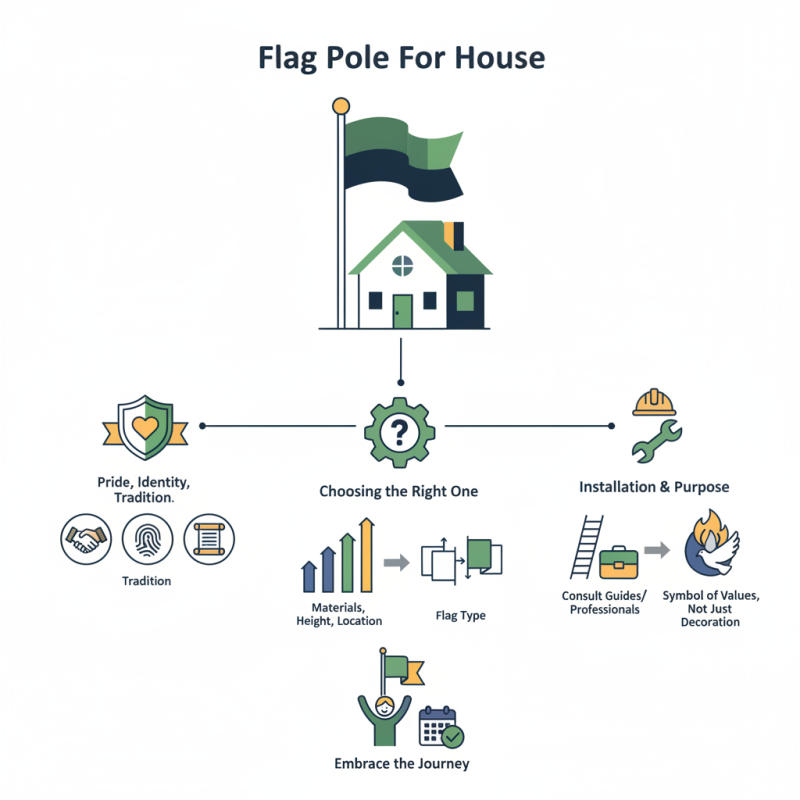
A flag pole for house is more than just a structure. It represents pride, identity, and tradition. Choosing the right flag pole can enhance your home’s curb appeal. But it requires thoughtful consideration. The materials, height, and location matter. A tall pole can make your flag visible from a distance. Yet, a shorter pole might suit a cozy setting better.
When selecting a flag pole for house, think about the type of flag you will fly. A lightweight fabric needs a different pole than a hefty canvas. Installation can seem daunting. A poorly installed flag pole can lead to accidents or damage. Take your time to consult guides or professionals. Reflect on the purpose of your flag. It should not just be decoration but a symbol of your values.
In a world full of choices, simplicity sometimes gets lost. Don’t rush the process. Finding the right flag pole for house should feel rewarding. It should spark joy and pride every time you see it waving in the wind. Embrace the journey of this decision.
What is a Flag Pole for House and Its Purpose in Home Decor
A flag pole for a house serves more than just a practical purpose; it enhances home decor. An elegantly displayed flag can reflect a homeowner's personality and values. According to a report by the American Flag Code, displaying a flag shows respect and pride. In fact, homes that feature flag poles are often associated with patriotic sentiments and community involvement.
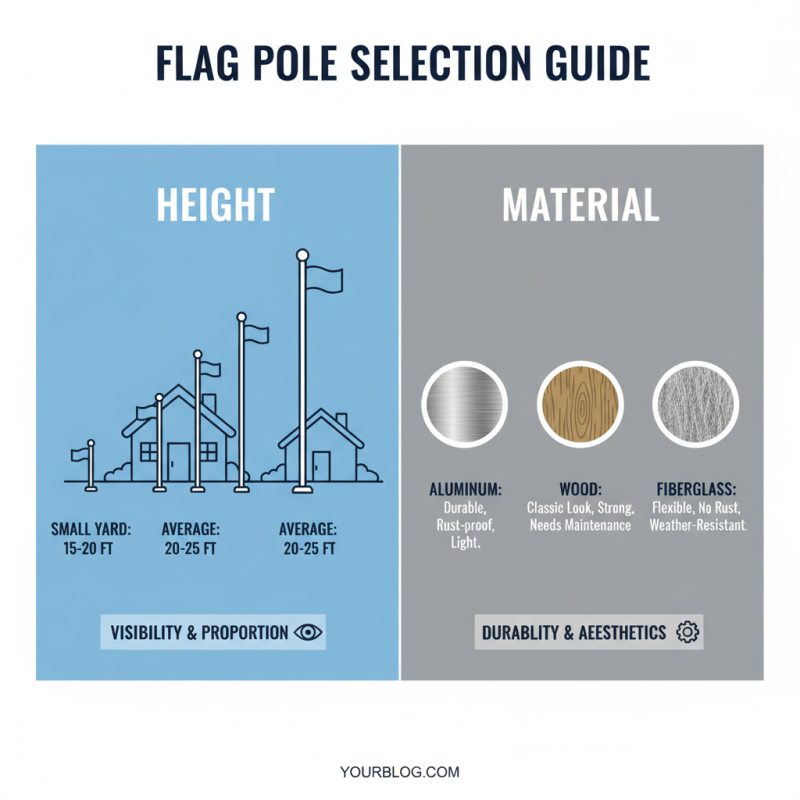
When choosing a flag pole, consider the materials and height. Aluminum poles are lightweight yet durable, while fiberglass offers a classy appearance. Research suggests that the ideal height for a residential flag pole is around 20 to 25 feet. This height ensures visibility without overpowering the landscape. However, it’s vital to ensure local zoning laws permit such installations. Neglecting local regulations could lead to unpleasant surprises.
Installing a flag pole can be a DIY project, but it's worth contemplating hiring a professional. Proper installation is key to safety and longevity. An unstable flag pole can lead to damage during storms. Additionally, the choice of flag is equally important. A high-quality flag can withstand harsh weather better. Remember, not all flags are created equal; some fade quickly, while others withstand UV rays effectively. Choosing wisely matters.
Flag Pole Types and Their Popularity
This chart represents the popularity of different types of flag poles for houses based on user preferences. In-ground flag poles are the most favored, followed by telescoping and wall-mounted options.
Types of Flag Poles: Residential Options and Durability Ratings
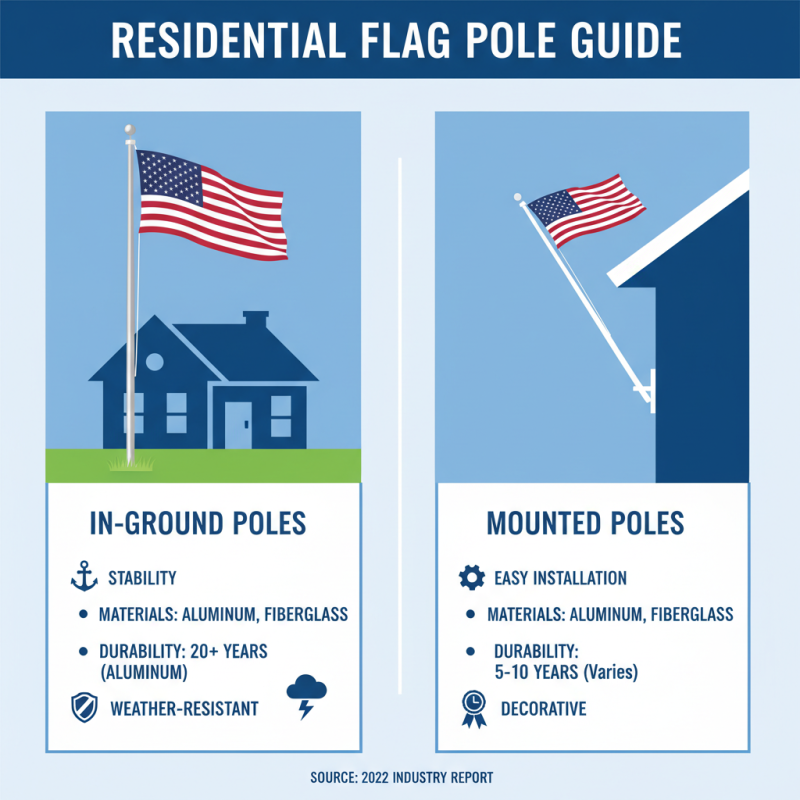
When selecting a flag pole for your house, understanding the types available is crucial. Residential flag poles typically fall into two categories: in-ground and mounted options. In-ground poles offer stability and are often made from materials like aluminum or fiberglass. These materials can withstand various weather conditions. A 2022 industry report showed that aluminum poles can last over 20 years when properly maintained.
Mounted flag poles can vary in size and strength. They attach directly to walls, rooftops, or other surfaces. The durability of these poles often depends on the hardware used and the design of your building. A study revealed that heavy-duty mountings are essential in windy areas, as standard mounts may fail and endanger the flag.
Choosing a durable flag pole involves considering the climate of your location. Coastal areas may require poles with higher corrosion resistance. On the other hand, regions prone to extreme winds need sturdy designs. The choice isn't always straightforward. Many homeowners find it challenging to balance aesthetics and functionality. It's essential to research materials and ratings carefully before making a purchase. Ensure that your pole meets not just personal preferences but also safety standards.
Installation Guidelines for Flag Poles: Location and Structural Integrity
When installing a flag pole at your home, location matters greatly. You want visibility but also safety. Avoid areas close to power lines or trees. A clear space will allow your flag to wave freely. This ensures that the flag remains visible and presents a clean look.
Ensure structural integrity as you choose your pole. Consider the materials and height relevant to your surroundings. A taller pole might catch more wind but can be unstable in storms. Think about the weather conditions in your area. Wooden poles can rot, while metal poles might rust over time. Regular maintenance cuts down hazards.
Tips: Always test the ground where you plan to install. Soil type affects stability. Use concrete for better support. Verify local regulations regarding height and placement. These can be overlooked but may save you from problems later. Also, remember not all flags are suitable for all conditions. Choose wisely.
Maintenance Tips for Flag Poles: Ensuring Longevity and Aesthetic Appeal
Flagpoles can be a beautiful addition to any home. However, their maintenance is crucial for both their appearance and longevity. Regular cleaning is key. Dirt and grime can accumulate, making your flagpole look dull. A simple wash with soapy water can restore its shine. Pay attention to the material of your flagpole. Different materials may require specific care routines.
Check for rust regularly. Metal poles, in particular, can be susceptible to rust. If you notice any, sand down the area and apply a protective coating. Ensure the flag itself is in good condition too. A frayed or torn flag can detract from your home’s aesthetic. Regularly inspect the flag and replace it as needed.
Sometimes, we forget about the surrounding area. Weeds or overgrown plants can obscure the flagpole. Keep the space clean and tidy. This will enhance the overall look. While maintenance can be a chore, neglecting it leads to bigger issues. Finding a routine that works for you is essential.