How to Choose the Best Garden Flag Stand for Your Needs?
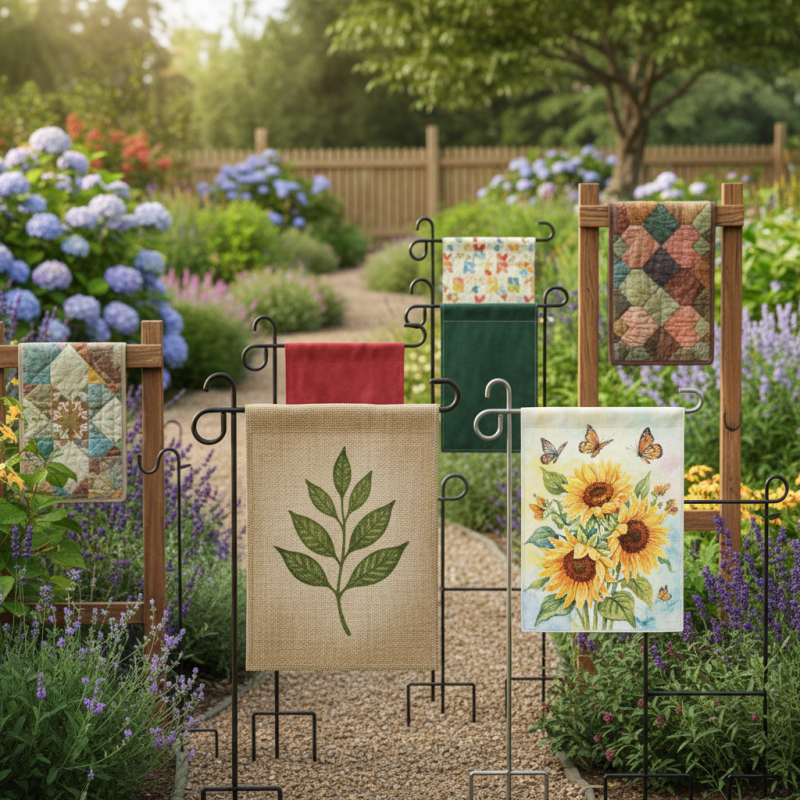
Choosing the right Garden Flag Stand can greatly enhance your yard’s appeal. Expert gardener Sarah Green once said, "A well-chosen stand can elevate any flag." Understanding your specific needs is crucial in making the right choice.
Many varieties of Garden Flag Stands exist, each featuring unique designs and materials. Some are made of durable metal, while others are lightweight plastic. Your decision should depend on where you plan to display it and the weather conditions in your area.
Additionally, consider the size and weight of your flags. A stand that suits one flag may not work for another. It’s essential to reflect on how often you’ll change your flags. Sometimes, your initial choice may not serve you well in the long run. Ensuring you select a versatile stand can save time and resources as you decorate your garden.
Factors to Consider When Choosing a Garden Flag Stand
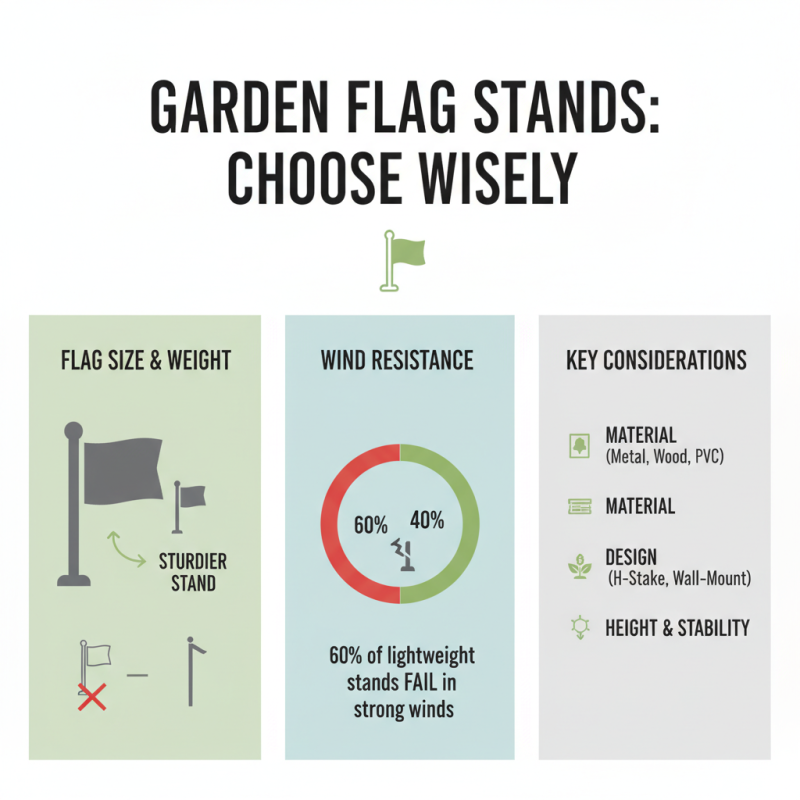
Choosing the right garden flag stand can enhance your outdoor aesthetics. It’s essential to consider various factors to ensure it meets your needs. First, assess the size and weight of your flag. A larger flag may require a sturdier stand to prevent toppling in the wind. According to industry reports, 60% of flag stands that are lightweight fail to withstand strong breezes.
Material is another critical factor. Metal stands are often more durable than plastic ones. However, plastic options may weigh less, making them easier to move. Reflect on your local weather conditions. If you live in a windy area, a heavier stand could be a wiser choice. The right material can enhance longevity and resilience against the elements.
Tip: Always check for rust-resistance features in metal stands. This can significantly extend their lifespan. Additionally, consider the overall design. A simple design may blend well with various garden styles. Be cautious, as some designs may not support all flag sizes effectively. Investing in a high-quality stand pays off in the long run, but it’s important to do your research thoroughly.
Types of Garden Flag Stands: Material and Durability Insights
Choosing the right garden flag stand involves understanding materials and durability. Common options include metal, wood, and plastic. Metal stands are often the most durable. They can withstand harsh weather conditions. However, they can rust over time.
Wooden stands offer a natural aesthetic. They blend well with garden landscapes. Yet, they may require more maintenance. Moisture can lead to decay if not treated. Plastic stands are lightweight and portable. They are less durable but easy to handle.
Consider the environment where the stand will be used. If you live in a windy area, a heavier stand may be necessary. An improperly chosen stand may fall, damaging your flag. Reflect on your specific needs before making a decision.
Garden Flag Stand Material Durability Comparison
Size and Height Specifications for Optimal Garden Display
When selecting a garden flag stand, size and height are crucial factors. You want your flag to be visible from a distance but not so tall that it overwhelms your flower beds. A height between 40 to 60 inches is common. This range allows your flag to wave gracefully while ensuring it remains proportional to surrounding plants.
Consider the size of your flag as well. A standard flag is often 28 inches wide. But, if you’re using a smaller flag, a shorter stand may suffice. If you choose a larger flag, ensure the stand can handle the weight. An ill-suited stand can bend or topple in the wind. Balancing aesthetics and function is essential.
It’s easy to overlook the stand's stability. A light, flimsy stand might not hold up during storms. On the other hand, a heavy stand can be cumbersome to move. You may need to experiment with different heights and types. Finding the right fit is often a trial-and-error process. Remember, a well-displayed flag can enhance your garden, but it should blend well without causing clutter.
Weather Resistance: Importance and Ratings of Garden Flag Stands
When selecting a garden flag stand, weather resistance is crucial. The stand will face various elements: rain, wind, and sun. A durable stand ensures your flag stays displayed, even during storms. Rust can compromise the structure, so materials matter.
Different stands offer varying weather ratings. Some may withstand heavy winds, while others are meant for calm days. Check reviews to gauge performance. Some stands may bend or break after one season. Others last for years, but at what cost? The balance between price and longevity is essential.
Reflect on the environment where the stand will be placed. In high wind areas, heavy-duty options are favorable. Lightweight stands may seem convenient but can topple easily. Consider using additional weights for stability. The goal is to enjoy your garden flags without constant worry about damage.
How to Choose the Best Garden Flag Stand for Your Needs? - Weather Resistance: Importance and Ratings of Garden Flag Stands
| Flag Stand Type |
Material |
Weather Resistance Rating |
Stability Score |
Price Range |
| Standard Metal |
Steel |
4.5/5 |
High |
$15 - $30 |
| Heavy Duty |
Aluminum |
5/5 |
Very High |
$25 - $50 |
| Portable Stand |
Plastic |
3/5 |
Medium |
$10 - $20 |
| Garden Anchor |
Steel |
4/5 |
High |
$20 - $35 |
| Creative Design |
Wrought Iron |
4.2/5 |
High |
$30 - $60 |
Installation Tips for Enhancing Stability and Visibility of Flags
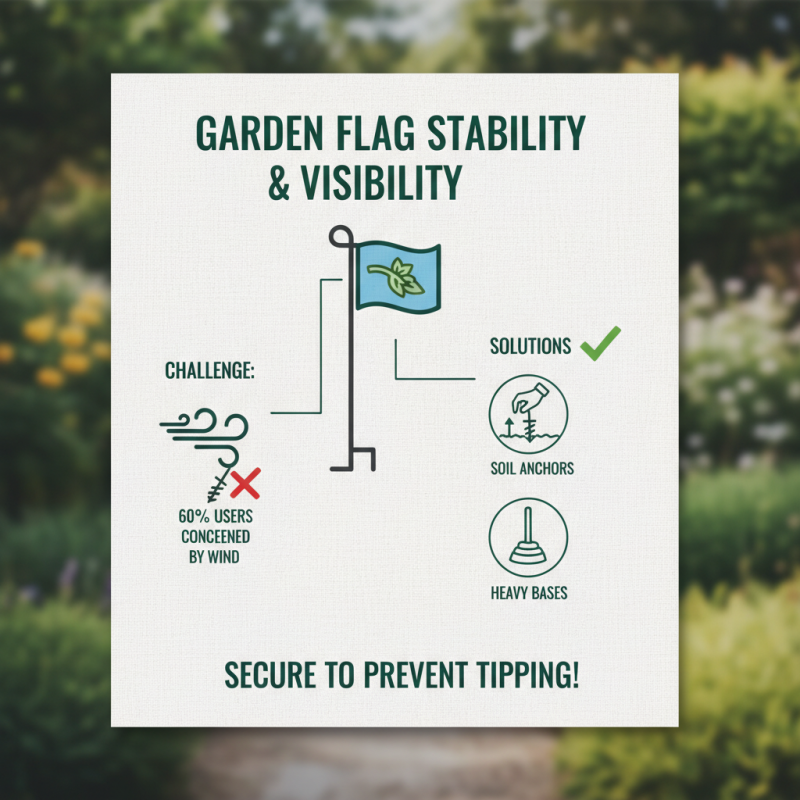
When installing a garden flag stand, stability and visibility are crucial. According to a report by the National Association of Landscape Professionals, over 60% of garden flag users express concern about their flags being affected by wind. To combat this, opt for a stand that is anchored firmly into the ground. Consider using soil anchors or heavy bases to secure the stand, especially in windy areas. This can prevent the flags from tipping over or getting damaged.
Visibility also plays a significant role in how well your flags are displayed. Research shows that flags positioned at a height of at least 5 feet can be seen from a distance. Ensure the stand allows for adjustable height if possible. This way, you can maximize visibility according to your garden's layout. Additionally, choose a location that receives sufficient sunlight. Direct light enhances the colors and patterns of the flag, making it more attractive.
Placement is another factor that often goes overlooked. Many gardeners fail to consider the background scenery. Flags can easily lose prominence against busy backdrops. Aim for a clear, contrasting background to make your flags pop. Reflect on these elements to ensure your garden flags are both stable and highly visible.