Best Flagpole Options for Your China Procurement Needs?
In the realm of outdoor aesthetics and identity, flagpoles play a crucial role. They symbolize patriotism, community spirit, and branding. According to a report by MarketsandMarkets, the global flagpole market is projected to reach $1 billion by 2025, reflecting a growing demand across various sectors. As businesses in China seek to enhance their visibility, selecting the right flagpole becomes a significant procurement decision.
Navigating the landscape of flagpole options requires expert insight. Different materials and designs cater to diverse applications ranging from residential to commercial use. Aluminum flagpoles are lightweight yet durable, while fiberglass options offer weather resistance. However, the plethora of available choices can overwhelm potential buyers.
Furthermore, premium flagpoles can come with higher initial costs but often yield long-term savings through durability. Understanding the balance between quality and budget is vital. It’s essential to reflect on whether the chosen flagpole aligns with branding objectives and community values. As trends evolve, reevaluating flagpole selections can lead to better representation and engagement within local and global markets.
Top Considerations for Selecting Flagpoles for Procurement
When selecting flagpoles for procurement, several key considerations come into play.
Materials matter significantly. Most flagpoles are made from aluminum or fiberglass. According to a recent industry report, aluminum poles represent about 65% of the market due to their lightweight and corrosion-resistant properties. Fiberglass, while stronger, accounts for roughly 25%, appealing for areas with extreme weather.
Height is another crucial factor. Flagpoles typically range from 15 to 100 feet. Choosing the right height ensures visibility and aesthetic appeal. Ensure the height aligns with local regulations and surrounding structures. Additionally, the flag size should correspond to the pole height for proper display.
Tips: Always evaluate the installation site. Consider factors like wind speeds and accessibility for maintenance. A poorly installed pole can lead to damage and safety hazards. Seek feedback from professionals who have experience in flagpole installations.
Quality assurance is vital in procurement. Opt for providers with a proven track record. Many entities overlook this, risking long-term durability issues. It's wise to conduct thorough market research and select a reputable supplier to mitigate risks. Remember, investing in quality flagpoles enhances the overall image of your project.
Types of Flagpoles: Materials, Designs, and Durability
When considering flagpoles for procurement needs in China, material choices play a crucial role. Aluminum flagpoles are light and resistant to corrosion. Stainless steel offers strength and longevity. A 2021 industry report indicated that aluminum flagpoles had a 30% market share due to their low maintenance requirements. However, some argue that aluminum lacks the tradition and durability that steel provides.
Design is another important aspect. Flagpoles vary from simple, straight designs to ornate models that attract attention. The rise of custom options reflects changing tastes. A recent survey noted that 45% of businesses prioritize unique flagpole designs to differentiate their branding. Yet, this has led to an increase in miscommunication about intended use and installation.
Durability is non-negotiable. Standard flagpoles are rated for wind speeds of up to 60 mph. Some manufacturers claim their poles withstand storms and heavy loads. Still, real-world performance often doesn't match these claims. There are instances of flagpoles bending or breaking under extreme conditions. Procurement decisions must factor in local weather patterns. This data-driven approach can mitigate risks and enhance reliability.
Best Flagpole Options for Your China Procurement Needs
Supplier Evaluation: Key Factors for Sourcing Flagpoles in China
When sourcing flagpoles in China, it's essential to evaluate suppliers thoroughly. Begin by examining their manufacturing capabilities. A reliable supplier should have modern equipment and quality control measures in place. This ensures that the flagpoles meet international standards. Factory visits can provide insights into their production processes. A well-organized facility often reflects a supplier’s commitment to quality.
Next, consider the supplier’s track record. Look for companies with positive reviews and successful projects. Feedback from previous clients can offer valuable perspectives. Additionally, verify their certifications to confirm adherence to industry regulations. It’s beneficial to establish communication channels. Clear conversations can reveal their responsiveness and willingness to address any concerns.
Price is another key factor but should not be the sole focus. Some suppliers might offer lower prices but compromise on quality. Balancing cost with quality assurance is crucial. Keep in mind the possible challenges during shipping and customs clearance. A supplier with experience in export processes can help mitigate these risks. Identifying potential issues beforehand allows for smoother transactions.
Best Flagpole Options for Your China Procurement Needs
| Criteria |
Description |
Rating (1-5) |
| Material Quality |
Durability and resistance to environmental factors like wind and UV rays |
4 |
| Height Options |
Variety of height options available to suit different needs |
5 |
| Customization |
Ability to customize colors, finishes, and sizes as per customer requirements |
3 |
| Cost Efficiency |
Affordability while maintaining quality standards |
4 |
| Supplier Reliability |
Timely delivery and consistent quality from suppliers |
5 |
| Compliance Standards |
Adherence to international quality and safety standards |
5 |
Cost Analysis: Budgeting for Flagpole Procurement
When budgeting for flagpole procurement, careful consideration of materials and manufacturing is vital. A recent industry report shows that aluminum flagpoles tend to be more cost-effective than fiberglass. Aluminum poles typically range from $1,200 to $3,000, while fiberglass options can cost between $2,000 to $5,000. This variance highlights the need for thorough cost analysis.
Installation costs also play a significant role in the overall budget. According to a construction industry study, the average installation fee for flagpoles can range between $500 and $1,500. This may vary depending on the location, size, and complexity of the installation. Some companies may not include installation costs in their initial quotes, leading to budget overruns.
Moreover, maintenance costs should be factored into the procurement budget. Regular inspections and possible repairs can add an average of $100 to $300 annually for standard flagpoles. This ongoing expense can accumulate, affecting long-term budgeting strategies. Ensuring a durable selection may save costs over time, yet initial price points may deter some decision-makers. Balancing upfront costs with long-term expenses remains a challenge in flagpole procurement.
Logistics and Shipping: Managing Delivery of Flagpoles from China
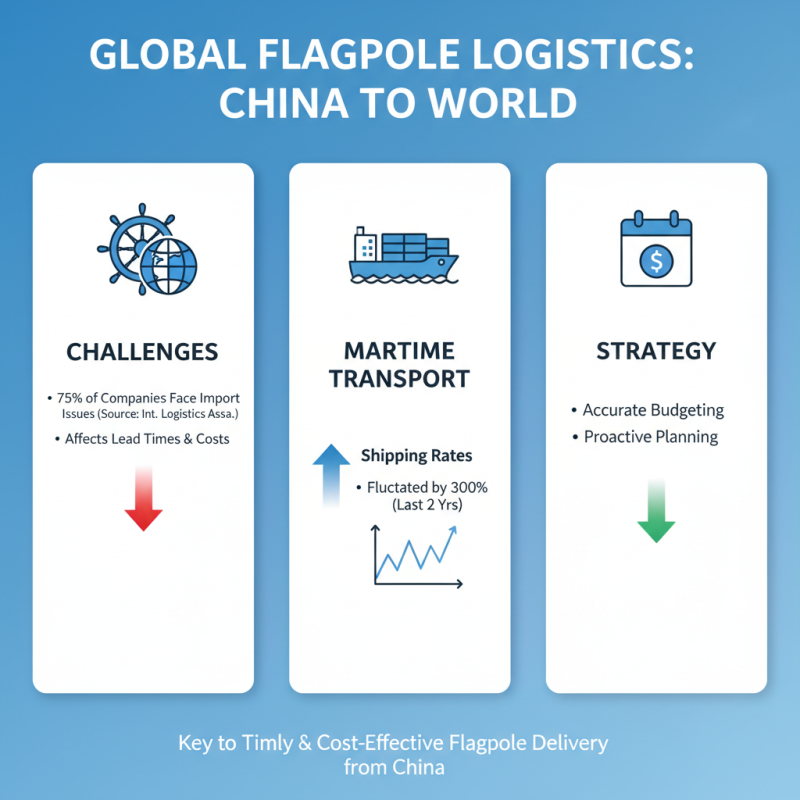
When procuring flagpoles from China, efficient logistics and shipping are crucial. According to the International Logistics Association, around 75% of companies face challenges in managing import logistics. This affects lead times and shipping costs. The maritime transport sector, which is heavily used for flagpole delivery, has seen shipping rates fluctuate by 300% in the last two years. Understanding these dynamics is essential for accurate budgeting and planning.
Effective communication with shipping partners is vital. A study from the Council of Supply Chain Management Professionals reveals that poor communication can delay shipments by 20%. Miscommunications can lead to customs clearance issues or additional tariffs, adding to costs. Timely updates and clear documentation help to avoid these pitfalls.
However, not all aspects of shipping are predictable. Natural disasters or geopolitical tensions can disrupt supply chains unexpectedly. A report from the World Trade Organization highlighted that such global events can cause delays that last weeks or even months. Businesses should diversify suppliers and proactively seek out alternative logistics solutions to mitigate these risks.