2026 Best Flag Pole Options for Global Buyers?
In recent years, the demand for high-quality flag poles has surged globally. According to industry reports, the flag pole market is projected to grow at a CAGR of 5.2% from 2021 to 2026. This growth reflects the increasing emphasis on branding and expression in various sectors, from corporate identities to community celebrations. Companies and organizations recognize the importance of displaying their flags prominently.
Choosing the right flag pole involves understanding material options, height variations, and installation methods. Aluminum and fiberglass poles are popular due to their durability and resistance to weather elements. However, buyers often struggle with the decision-making process. Some may prioritize cost over quality. This could lead to frequent replacements, reflecting a lack of long-term planning.
Many buyers also overlook the maintenance aspect of flag poles. Regular inspections and care are vital for longevity. It is crucial for buyers to educate themselves about these factors. This guided approach helps ensure they make informed choices that suit their needs effectively. A well-chosen flag pole enhances visibility and pride in brand or national identity.
Overview of Flag Poles: Types and Their Uses
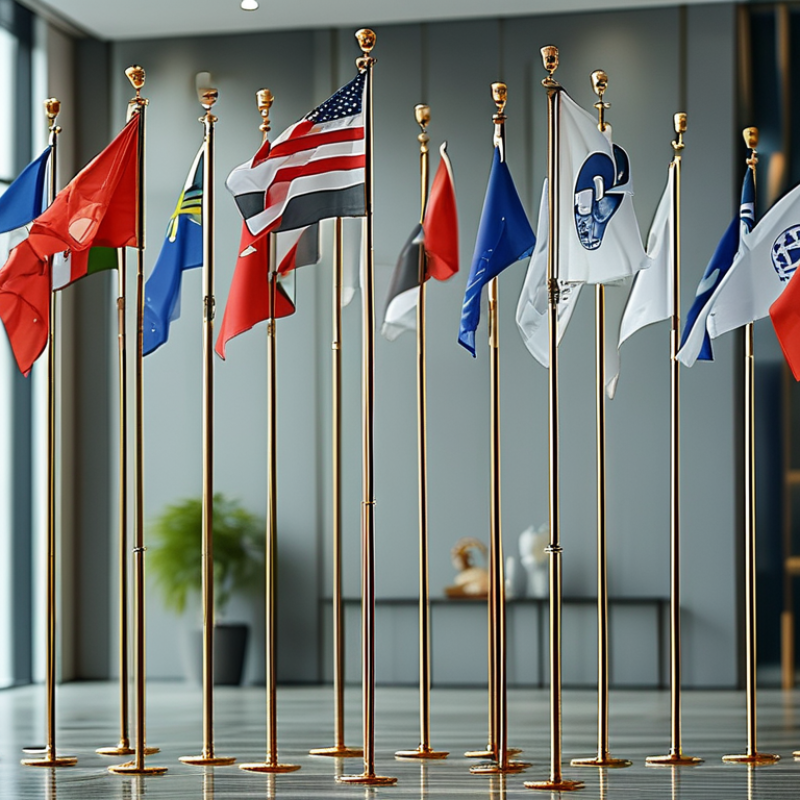
When considering flag poles, various types cater to different needs. The common materials used are aluminum, fiberglass, and wood. Aluminum poles are lightweight and resistant to rust. Fiberglass poles provide durability and flexibility. Wood, while classic, requires regular maintenance to prevent rot.
Choosing the right height is crucial. A taller pole makes a big impact but may need special permits. Placement is another key factor. Consider wind direction and surrounding obstacles. A proper base provides stability, especially in windy areas.
**Tips:**
- Inspect your flag pole regularly for signs of wear.
- For high winds, consider using a halyard system to lower the flag easily.
Keep aesthetics in mind. A flag pole adds character to your property. However, it should blend with the surroundings. Reflect on your local guidelines before installation. Each flag pole has its pros and cons, requiring you to evaluate your specific needs carefully.
2026 Best Flag Pole Options for Global Buyers
This chart represents the popularity of various flag pole materials among global buyers in 2026. The data reflects user interest levels, with fiberglass leading the pack, followed by aluminum and steel. Understanding these preferences can help buyers choose the best options for their needs.
Factors to Consider When Choosing a Flag Pole
Choosing the right flag pole is crucial for personal and commercial use. Several factors can influence your decision. Durability is a primary concern. Weather-resistant materials like aluminum or fiberglass are preferred. A study by the American Flag and Banner Association found that strong designs can endure winds up to 70 mph.
Height is another essential factor. Taller poles often enhance visibility but require careful placement. The base's foundation must support the pole's weight and withstand environmental factors. A 2022 report indicated that improper installation could lead to significant safety hazards. This highlights the importance of professional installation for larger setups.
Tip: Always consider local regulations when erecting your flag pole. Specific heights may be restricted in certain areas, impacting your choice.
Flags vary by purpose; hence, pole design should match your flag's size. A mismatch can diminish the flag’s display. Regular maintenance is vital. Dust, grime, and extreme weather can deteriorate materials. Observations show that poles not well maintained may require replacement sooner than expected.
Tip: Inspect your flag pole at least twice a year. Look for signs of rust or wear. Taking proactive measures can extend its lifespan.
Top Manufacturers of Flag Poles in 2026
In 2026, the flag pole industry is witnessing innovative designs and materials. Top manufacturers are focusing on quality, sustainability, and functionality. According to a recent industry report, demand for flag poles is expected to grow by 5% annually. This growth is driven by increased outdoor activities and the need for high-visibility marketing.
When selecting a flag pole, consider its height and material. Aluminum poles are lightweight and corrosion-resistant. Fiberglass options provide durability against harsh weather conditions. Many manufacturers now offer customizable options to cater to specific needs. However, some custom orders might face delays, emphasizing the need for careful planning.
Tip: Always verify manufacturer credentials. Look for certifications or positive reviews. Quality can vary significantly across brands. Do not overlook the warranty offered, as it reflects the manufacturer’s confidence in their product. Ensuring you make an informed choice can prevent future issues and dissatisfaction.
2026 Best Flag Pole Options for Global Buyers
| Type of Flag Pole |
Material |
Height (ft) |
Weight (lbs) |
Price Range ($) |
Best Use |
| Telescoping |
Aluminum |
15 |
10 |
150 - 300 |
Residential Use |
| Fixed |
Stainless Steel |
20 |
25 |
300 - 600 |
Commercial Properties |
| Wall-mounted |
Fiberglass |
10 |
5 |
100 - 200 |
Small Offices |
| In-Ground |
Aluminum |
25 |
35 |
500 - 800 |
Public Spaces |
| Portable |
Plastic |
8 |
3 |
50 - 100 |
Events |
Comparative Analysis of Flag Pole Materials
When choosing a flagpole, material selection is crucial. Different materials affect durability, maintenance, and appearance. Aluminum and fiberglass are popular choices. Aluminum is lightweight and corrosion-resistant, making it ideal for various climates. Fiberglass, on the other hand, is known for its strength and resistance to fading. These benefits appeal to many buyers.
Wooden flagpoles provide a traditional look but require more upkeep. They can warp over time and may need regular painting or sealing. This potential maintenance can be a drawback for some buyers. Steel flagpoles are sturdy and can withstand harsh conditions. They are heavier and less prone to bending compared to other materials. However, steel is susceptible to rust if not treated properly.
Each material has its pros and cons. A decision heavily depends on location and personal preferences. Buyers must consider factors like weather, aesthetic appeal, and required maintenance. Reflecting on these elements can lead to a more informed choice.
Installation and Maintenance Tips for Flag Poles
Installing a flagpole is an exciting endeavor. However, it requires proper attention to ensure longevity and stability. Start by choosing the right location. A flat area with good drainage helps maintain the pole. Avoid spots near trees to prevent damage from falling branches.
When installing, follow the manufacturer’s guidelines closely. Dig a hole that is deep enough to provide stability. Use concrete to secure the base properly. After installation, regularly check the pole for any signs of wear or damage. This includes checking the rope mechanism and flag condition.
Maintenance extends to cleaning the flag and pole. Remove dirt and debris with a soft cloth. A clean flag not only looks better but also lasts longer. Additionally, consider storing the flag properly during harsh weather. Too often, neglect leads to unnecessary replacements. Regular attention can enhance the flagpole's life expectancy significantly.