2026 Best Flag Pole Options for Global Buyers to Consider?
When it comes to choosing a flag pole, global buyers have many options to consider. Leading industry expert, John Anderson, notes, "A flag pole is more than just a support structure; it symbolizes pride and identity." This insight emphasizes the importance of selecting the right flag pole for your needs.
There are various materials and designs available. Aluminum, fiberglass, and steel are popular choices, each offering unique benefits. Factors like height, durability, and weather resistance play critical roles in decision-making. Many buyers struggle to find the perfect balance among these elements, which can lead to dissatisfaction after purchase.
Incorporating details specific to your location is just as essential. Local climate conditions and aesthetics can significantly influence the effectiveness of your flag pole. Careful consideration is necessary. Some buyers may overlook these crucial aspects in their selection process. The aim is to represent your values and identity proudly while ensuring the flag pole functions as intended.

Top Features to Look for in a Flag Pole for 2026
When selecting a flag pole for 2026, consider its material. Aluminum and fiberglass are popular for their durability and resistance to harsh weather. Aluminum is lightweight and can withstand corrosion. Fiberglass, while heavier, offers unique aesthetic qualities. These materials can contribute to the longevity and reliability of your flag pole.
Height is another crucial feature. A taller flag pole can enhance visibility, making your flag stand out. However, it may require additional installation considerations. Make sure you have the right space for it. Stability is key. A heavy base can prevent tipping in strong winds. Furthermore, check for a pulley system that allows for easy flag raising and lowering.
Finally, think about the design. Some flag poles come with built-in halyards that offer a clean look. Others might feature decorative elements to enhance your outdoor space. Reflect on what best suits your needs. Each choice has its pros and cons, requiring careful consideration to find the best option. Always research various models to understand their performance and reliability in various conditions.
Types of Flag Poles: A Comprehensive Guide for Global Buyers
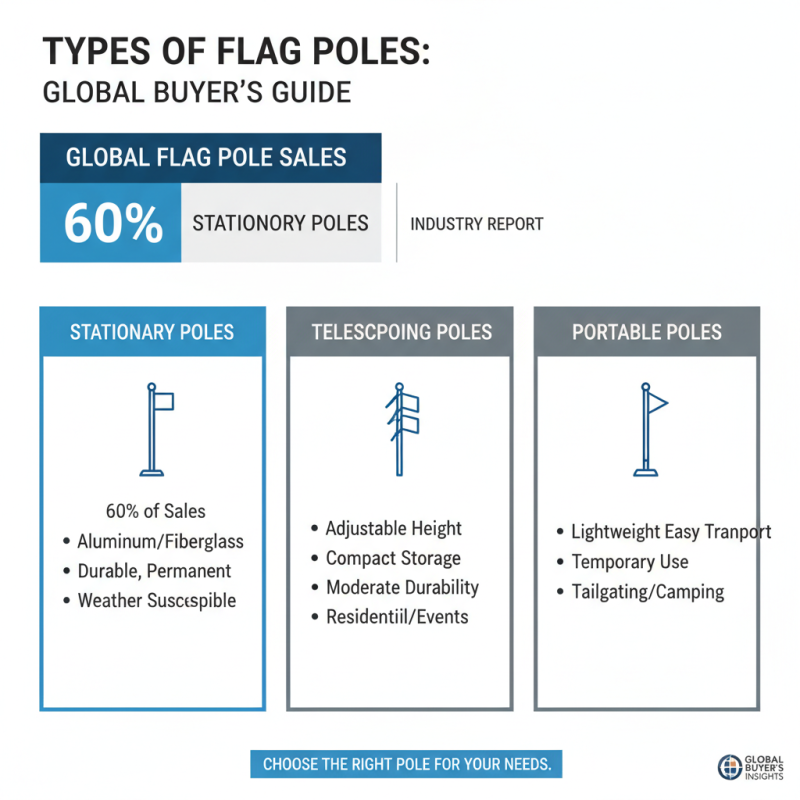
When selecting a flag pole, buyers must consider several types to match their needs. The most common include stationary, telescoping, and portable poles. A recent industry report indicates that stationary poles, typically made from aluminum or fiberglass, account for nearly 60% of global flag pole sales. These are durable and ideal for permanent installations but can be susceptible to weather damage.
Telescoping flag poles offer flexibility, allowing users to adjust the height. They comprise about 25% of the market, appealing to those who want convenience and adaptability. These poles can pose challenges, like needing more maintenance due to movable parts. Portable flags, used primarily for events, make up the remaining percentage. Their lightweight design enhances ease of transport, yet they may not withstand strong winds.
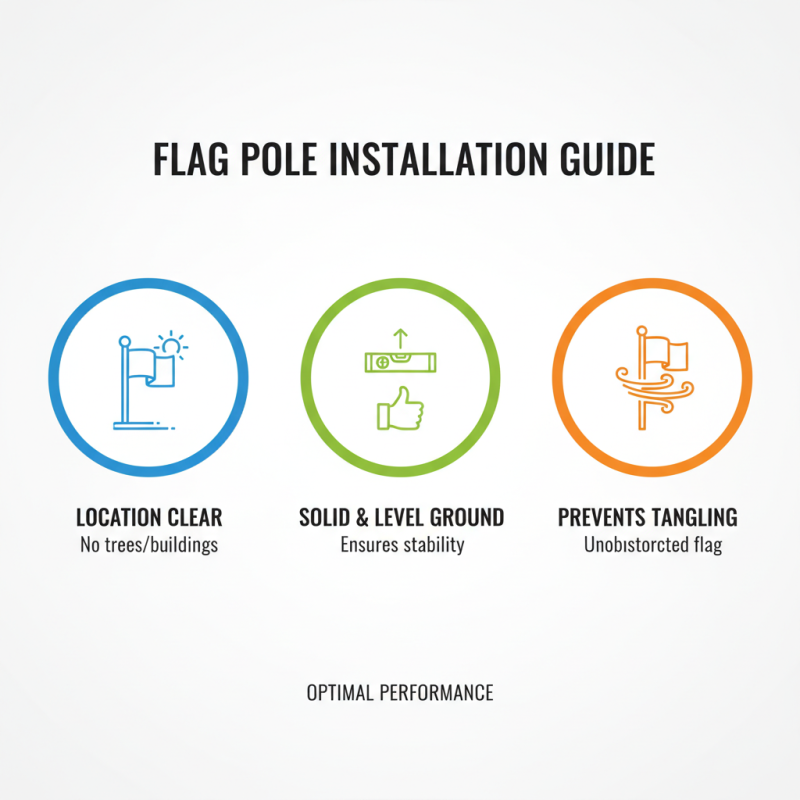
Understanding these options is crucial. A careful assessment of the installation site can prevent future issues. For example, a pole that’s too short may fail to display the flag openly, impacting visibility. Buyers should remember that while cost is a factor, the right choice impacts longevity and presentation. A good flag pole enhances pride and visibility but requires thoughtful selection to ensure it meets personal and communal standards.
Best Materials for Durability and Aesthetics in Flag Poles
When selecting materials for flag poles, durability and aesthetics are key. Aluminum is often a popular choice. It is lightweight and resistant to rust. However, it may not provide the same visual impact as other materials. Steel options are robust and can hold large flags. They require proper treatment to prevent corrosion. Weather can take a toll on both materials.
Fiberglass is another option gaining traction. It offers flexibility and can withstand strong winds. Coastal areas particularly benefit from its resistance to sea salt. Yet, fiberglass can be more expensive than aluminum or steel. Some buyers may worry about its long-term stability.
Wooden flag poles evoke a classic look. They suit traditional or rural settings. However, wood needs regular maintenance to prevent rot. Buyers should weigh the aesthetics against the upkeep required. Each material has its pros and cons, making the choice context-dependent. Keep these factors in mind when purchasing.
Cost Considerations: Budgeting for Your Ideal Flag Pole
When budgeting for a flagpole, understanding the overall costs is crucial. A typical flagpole can range from $100 to over $3,000, depending on its height and material. For example, aluminum poles are generally more affordable, while fiberglass options might cost significantly more. A report from the Outdoor Industry Association reveals that durable flagpoles, despite their higher initial cost, often offer better long-term value due to longevity and reduced maintenance.
Installation is another cost factor. Professional installation can add $150 to $600 or more. Some buyers underestimate this expense, opting for DIY methods. While this can save money, it may lead to improper installation, resulting in structural failures. According to industry data, about 30% of users face issues with self-installed poles.
Maintenance should not be overlooked, either. Regular upkeep is essential for durability, which can impact overall costs. A Flagpole Supply survey indicates that neglecting maintenance can increase repair costs by up to 50%. Choosing a flagpole is not just about the initial purchase but also about understanding the long-term financial implications. Consider all aspects when making your decision.
2026 Best Flag Pole Options - Cost Considerations