2026 Top Flag Pole How to Choose the Best One?
Choosing the best Flag Pole in 2026 requires more than comparing prices and polished product photos. A pole must suit your property, flag size, weather conditions, and installation plan. A residential yard may need a 20-foot aluminum pole, while a school, business, or public entrance could require a stronger commercial system. Measure the available space carefully. Check nearby trees, rooflines, power lines, and underground utilities. Small details matter.
Flagpole installation specialist Michael J. Smith advises, “The strongest pole is not always the best choice; the right pole matches the site.” That practical view deserves attention. Aluminum offers light weight and corrosion resistance. Fiberglass can provide flexibility during strong winds. Steel delivers strength but needs careful protection against rust. Look for a dependable wind rating, secure halyard hardware, a stable base, and clear warranty terms. The finial and truck assembly should also move smoothly, especially after rain or freezing weather.
Experience often reveals what product descriptions hide. A thin pole may look elegant but feel unstable in an exposed yard. A tall pole may impress visitors but overwhelm a small home. I have seen buyers focus on height and forget maintenance access. That mistake becomes expensive later. Consider local installation requirements, seasonal weather, and the time available for cleaning or repairs. Your budget matters, too. However, the cheapest Flag Pole may create replacement costs within a few seasons. Choose carefully, but remain willing to question familiar advice. Safety, durability, appearance, and daily practicality should work together.
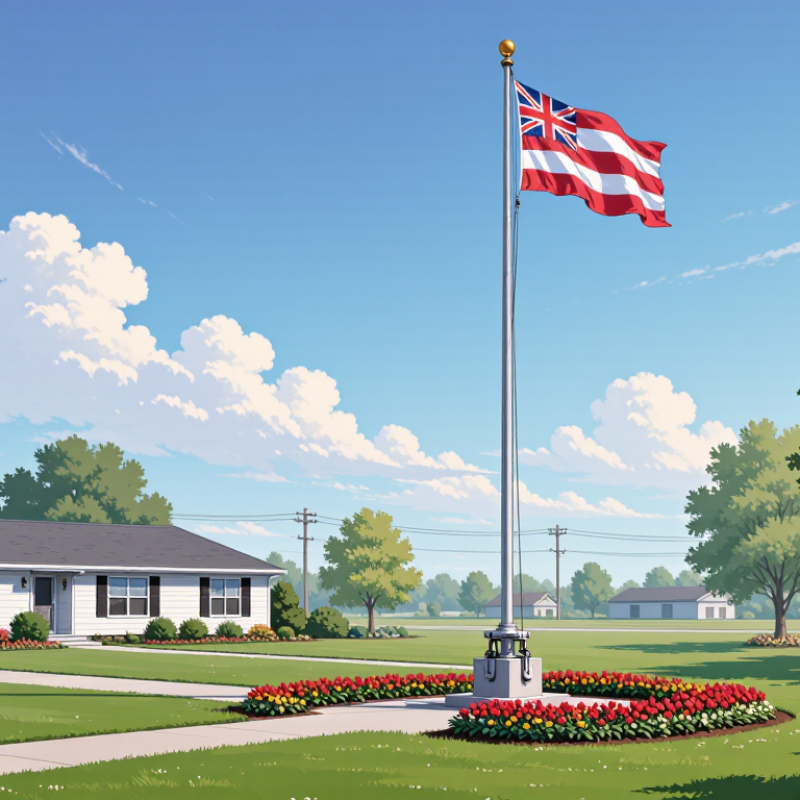
Flag Pole Types and Their Best Uses in 2026
2026 Top Flag Pole: How to Choose the Best One?
Flag pole types now serve very different spaces and weather conditions. Aluminum poles suit most homes because they are light, corrosion-resistant, and easy to maintain. Fiberglass poles flex during strong winds, making them useful near open fields or coastal areas. They can look less traditional, however. Steel poles provide greater strength for commercial entrances, schools, and civic properties, but they require careful protection against rust.
Telescoping poles work well when homeowners need simple installation and quick flag changes. Sectional poles offer a classic appearance and better height options, although assembly takes more effort. Wall-mounted poles save ground space on porches, garages, and narrow shopfronts. In my experience, choosing the tallest pole often seems impressive, but it may overwhelm a small house and increase wind pressure. A balanced proportion usually looks better.
Tips: Check the soil, local height rules, and expected wind before buying. Measure the flag, not only the pole. Use stainless hardware where moisture is common. Inspect hinges, ropes, and ground sleeves twice yearly. One detail is easy to miss: nearby trees can damage fabric and fittings. Choose a design you can safely lower and clean without special equipment. Safety matters more than maximum height.
2026 Top Flag Pole: How to Choose the Best One?
Choose a flag pole according to installation location, expected height, wind exposure, portability, and maintenance needs. The ranges below represent common planning heights for major flag pole types in residential, commercial, institutional, and event settings.
How to Match a Flag Pole with Your Location and Flag Size
Choosing a flag pole starts with the site, not the catalog. I have seen a tall pole look impressive online and awkward beside a small porch. Measure the building, nearby trees, roofline, and viewing distance. Keep it visible. A pole should remain noticeable without dominating the property. Check soil depth, drainage, and overhead clearance before ordering. Wet ground may require a deeper, stronger foundation.
Flag size must match pole height and local wind exposure. A common starting point is a flag about one quarter to one third of the pole’s exposed height. That ratio is not absolute. Large flags catch more force, especially near open fields or coastal areas. Choose a shorter pole for tight yards, then use a smaller flag. For a broad entrance, a taller pole can keep the flag clear of vehicles and roof edges. Leave enough room for movement. The fabric should not scrape walls or branches.
Material and installation also affect the match.
Aluminum is light and practical, while steel can suit demanding locations when properly protected. Use corrosion-resistant hardware and a secure base designed for local soil. I once underestimated seasonal gusts and selected a flag that was too wide. It looked attractive on calm days, but the rope and fittings wore quickly. That mistake changed my process. I now check regional wind data and inspect mounting points twice each year. My first estimate was wrong.
How to Evaluate Quality, Cost, Warranty, and Overall Value
Choosing a flag pole in 2026 requires more than comparing height and appearance. Quality begins with strong materials, accurate wall thickness, and a stable ground sleeve. Aluminum resists corrosion, while steel may offer greater strength but needs better surface protection. I inspect joints, fasteners, pulley systems, and the finish before buying. Small details matter. A pole that twists in moderate wind may become expensive to repair.
Cost should reflect service life, not just the checkout price. A cheaper pole can seem attractive, yet weak fittings may require replacement within one season. An expensive model is not automatically better, either. Compare material, installation requirements, included hardware, and expected maintenance. The warranty should state its coverage period and exclusions clearly. It should explain whether defects, finish damage, or replacement parts are included. I have seen vague warranty language create frustration after purchase.
Tips: Measure the installation area first. Check typical local wind conditions. Ask about replacement hardware availability. Keep receipts and installation records. Examine the return policy, too. I prefer products with clear specifications and practical instructions, although instructions can still be incomplete. My evaluation is never perfect; soil conditions and installation skills change the result. That uncertainty deserves attention. Choose the option that balances durability, support, repairability, and realistic ownership cost.
2026 Top Flag Pole: How to Choose the Best One? - How to Evaluate Quality, Cost, Warranty, and Overall Value
| Flag Pole Type |
Typical Residential Height |
Common Material |
Typical Price Range
(USD, Pole Only) |
Typical Wind Rating* |
Expected Service Life |
Common Warranty Range |
Quality Assessment |
Overall Value |
| Residential telescoping aluminum |
15–25 ft |
Aluminum tubing |
$120–$350 |
45–75 mph |
8–15 years |
1–5 years |
Easy installation and adjustable height; inspect locking collars and wall thickness carefully. |
Very good for most homes |
| Sectional aluminum |
20–30 ft |
Aluminum sections |
$180–$500 |
50–80 mph |
10–20 years |
1–10 years |
Good corrosion resistance and a traditional appearance; section joints must be assembled securely. |
Strong balance of cost and durability |
| Commercial-grade aluminum |
25–40 ft |
Heavy-wall aluminum |
$450–$1,200 |
70–100 mph |
15–30 years |
5–15 years |
Better wall thickness, hardware, finish, and engineering than light residential models. |
Excellent for exposed locations |
| Fiberglass |
20–35 ft |
Fiberglass-reinforced polymer |
$350–$1,000 |
60–100 mph |
15–25 years |
5–15 years |
Does not rust and can flex in wind; check UV-resistant gel coating and mounting hardware. |
High value in coastal areas |
| Steel or galvanized steel |
25–50 ft |
Steel with protective coating |
$600–$2,000 |
80–120 mph |
20–40 years |
5–20 years |
Very strong and suitable for larger flags; heavier installation and corrosion protection are important. |
Best for high strength requirements |
| Internal-halyard commercial pole |
25–50 ft |
Aluminum or steel |
$900–$3,000 |
80–120 mph |
20–40 years |
5–20 years |
Rope and hardware are protected inside the shaft; requires stronger foundations and professional installation. |
Best for public and commercial sites |
Evaluation Notes: Price ranges are typical 2026 consumer and light-commercial estimates for the pole only and exclude shipping, foundation materials, installation, flags, lighting, and accessories. Wind ratings vary according to pole height, flag size, exposure, foundation design, and manufacturer testing. Always compare engineering specifications rather than relying on height alone.
Quality
Prioritize wall thickness, joint strength, corrosion protection, hardware quality, and published wind testing.
Cost
Calculate total installed cost, including freight, concrete, foundation depth, labor, and replacement parts.
Warranty
Check coverage periods, finish exclusions, installation requirements, shipping responsibility, and transferable terms.
Overall Value
Select the pole that meets local wind and site conditions without paying for capacity you do not need.