When it comes to outdoor decor and symbols that represent who we are, a Flag pole really plays a pretty key role. Not only does it show off your national pride, but it also adds a bit of charm to any property. I was chatting with John Anderson, the founder of the FlagPole Company, and he mentioned, 'Picking the right flagpole can really make your flag look amazing—flying high and steady, no matter the season.' With so many styles and materials out there, it can honestly feel a bit overwhelming trying to find that perfect flagpole, whether you're a homeowner or running a big organization. Honestly, understanding what your flagpole needs to do and what specs to look for is super important. From small residential yards to huge commercial sites, every place has different requirements—both in how it looks and what it can handle. Are you after something simple and stationary, or maybe something a bit more fancy that rotates? There are quite a few factors to think about. This little guide is here to clear up the confusion, help you navigate your options, and pick a flagpole that fits your style and needs—while also letting your colors and symbols truly stand out.

What is a Flag Pole? Understanding Its Definition and Purpose
A flagpole serves as a vertical structure designed to display flags at various heights, providing a significant visual and symbolic presence. Typically made from materials such as aluminum, steel, or wood, flagpoles must be durable to withstand various weather conditions. According to the Flag Manufacturers Association of America, there are over 30 million flagpoles currently in use across the United States, reflecting their widespread cultural importance. The primary purpose of a flagpole is to exhibit flags, which symbolize national pride, organizational identity, or commemorative events. These structures are often found in public spaces, commercial establishments, and private properties, enhancing the aesthetic appeal of the lands Cap e while conveying a sense of belonging and unity. Choosing the right flagpole involves understanding its intended use, height requirements, and material preferences. For instance, residential flagpoles typically range from 15 to 25 feet, while commercial applications may necessitate taller structures to be visible from a distance. The American National Standards Institute provides guidelines on flagpole heights relative to the size of the flags they will bear. Additionally, wind load ratings are crucial; flagpoles are categorized into various classes based on their ability to withstand wind speeds, which can vary significantly across different regions. Proper installation and maintenance are essential to ensure longevity and safety, as improperly secured flagpoles can pose hazards during severe weather.
What is a Flag Pole and How to Choose the Right One for Your Needs
Types of Flag Poles: Residential, Commercial, and Marine Options
When considering flag poles, it's essential to understand the various types available, particularly residential, commercial, and marine options. Residential flag poles are typically designed for home use, often made from lighter materials that are easier to handle and install. These poles can range in height and style, with options to accommodate traditional flags or decorative banners. Many homeowners prefer aluminum or fiberglass poles due to their durability and resistance to rust, making them suitable for long-term outdoor use. Commercial flag poles, on the other hand, are built to withstand harsher conditions and are designed for businesses, schools, and government buildings. These poles are usually taller and constructed from sturdier materials like stainless steel or heavy-duty aluminum. They often feature advanced mechanisms for easy flag raising and lowering, ensuring convenience and safety, especially when flags need to be switched frequently. With their robust construction, commercial flag poles are ideal for displaying larger flags and can serve as an impressive focal point for public spaces. For those who enjoy activities on the water, marine flag poles offer specialized options tailored to withstand the rigors of a maritime environment. Constructed from corrosion-resistant materials, such as anodized aluminum or stainless steel, marine flag poles are designed to handle the salty air and constant movement. These poles often feature additional design elements, such as halyard systems that make it easy to hoist flags while also ensuring a secure fit while at sea. Choosing the right flag pole depends on your needs, location, and the intended display of the flags, making it crucial to understand these differing options.
Materials Used for Flag Poles: Aluminum, Fiberglass, and Steel Insights
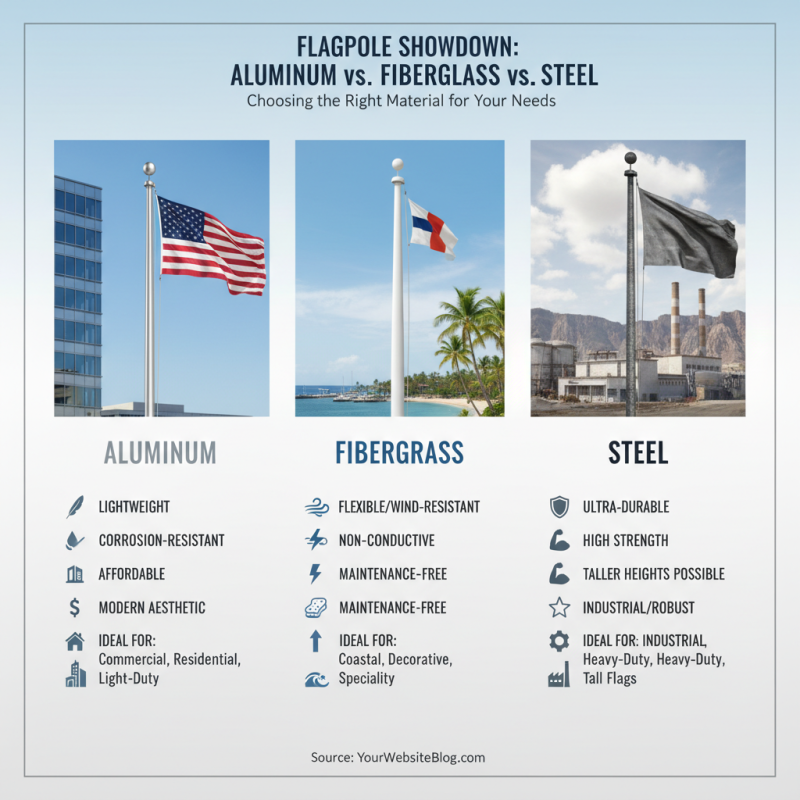
When selecting a flagpole, the material is a critical factor that can greatly influence both the aesthetics and performance of the flagpole. The three most common materials used for flagpoles are aluminum, fiberglass, and steel, each with unique characteristics suited for different environments and applications. Aluminum flagpoles are widely favored for their lightweight and corrosion-resistant properties, making them an excellent choice for residential and commercial applications. They are easy to install and maintain, which appeals to many users. Additionally, aluminum can be finished in various colors and textures, allowing for a customizable appearance that can blend seamlessly with any landscape. Fiberglass flagpoles offer exceptional durability and low maintenance requirements, making them an ideal choice for coastal areas where saltwater can cause rapid deterioration. The non-corrosive nature of fiberglass ensures long-lasting performance, while its flexibility helps resist breakage in high winds. Furthermore, fiberglass can be manufactured in various colors, allowing for a unique and vibrant display. On the other hand, steel flagpoles, often galvanized or powder-coated, provide strength and stability, making them suitable for larger flags or areas with extreme weather conditions. However, they tend to be heavier and may require more robust installation methods. Overall, understanding the benefits and limitations of each material can help you choose the right flagpole that meets your specific needs and environmental considerations.
Factors to Consider When Choosing a Flag Pole Height and Size
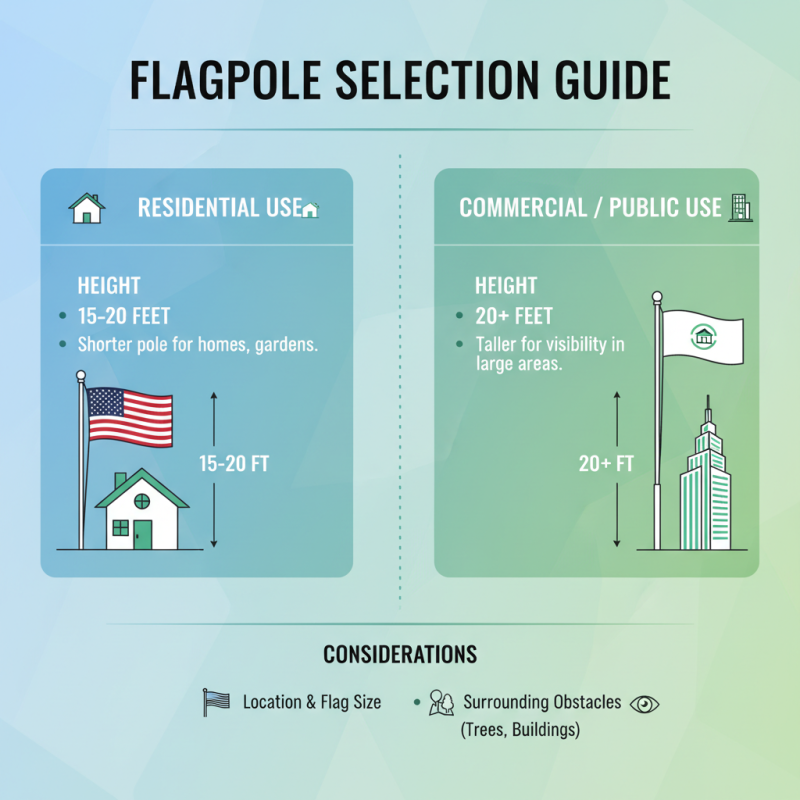
When selecting the appropriate flag pole, understanding the height and size is essential to ensure it serves its purpose effectively. The height largely depends on the location and the flags you intend to display. For residential areas, a shorter pole, around 15 to 20 feet, may be sufficient, while commercial spaces or large public areas may require taller poles of 20 feet or more to enhance visibility from a distance. Additionally, consider the surrounding structures and trees that might obstruct the flag's visibility. Another important factor is the flag size in relation to the pole height. A common rule of thumb is that the flag should be about one-quarter the height of the pole. For example, if you have a 20-foot pole, a 3×5 foot flag would be an appropriate choice. This balance ensures that the flag is both prominent and aesthetically pleasing. **Tips**: Before making a decision, measure the area where the pole will be installed to avoid any surprises. Additionally, consider local zoning regulations that might dictate the allowable height and size of flag poles in your area. Finally, think about the flag's visibility during inclement weather; higher flags tend to flutter more freely, showcasing their colors vibrantly.
Installation Tips: Best Practices for Setting Up Your Flag Pole
When installing a flag pole , proper setup is crucial to ensure it stands tall and withstands various weather conditions. First, choose a suitable location that is free from overhead power lines and has enough open space to allow for the flag’s full display. It's advisable to set the pole in an area with stable ground to avoid any tilting or falling due to wind forces. Dig a hole that is at least one-third the height of the pole, and ensure the diameter is wide enough to support its base with concrete. Once the hole is prepared, position the pole upright and fill the hole with concrete to secure it in place. Make sure the pole remains plumb during the curing process, which usually takes about 24 to 48 hours . After the concrete has set, attach your flag with the appropriate hardware, ensuring it is displayed securely and at the right height. Regular maintenance, like checking the flag for wear and ensuring the pole remains anchored, will keep your installation looking great for years to come.
Maintenance and Care: Keeping Your Flag Pole in Optimal Condition
Maintaining a flag pole is crucial to ensure its longevity and the flag's optimal display. Routine checks can prevent issues related to wear and weather-related damage. According to the National Association of Flag Manufacturers , regular maintenance can extend the life of a flag pole by 20-30% compared to those that are neglected. Factors such as environmental exposure and material composition require specific care. For instance, stainless steel and aluminum poles will have different maintenance needs; while aluminum may require periodic cleaning to prevent oxidation, stainless steel should be polished to maintain its shine and prevent rust.
Tips for maintenance include inspecting the flag pole regularly for signs of damage, such as scratches and rust spots, which can impact the pole's strength. It's also advised to take down the flag during severe weather to avoid unnecessary wear. Additionally, ensuring that the halyard is in good condition and free from fraying can prevent potential mishaps. A well-maintained flag pole not only enhances the aesthetic appeal of your property but also stands as a testament to proper stewardship.
Moreover, considering seasonal maintenance is a smart move. During fall, for instance, removing leaves and debris that might accumulate around the base can help prevent moisture build-up. This simple act, combined with an annual inspection, can make a significant difference in maintaining optimal conditions for your flag pole. By implementing these practices, you'll ensure that your flag pole remains a proud symbol for years to come.
Regulations and Guidelines for Displaying Flags on Flag Poles
When displaying flags on flag poles, it's essential to adhere to specific regulations and guidelines to ensure proper respect and visibility. Different countries and regions have established protocols that dictate how flags should be displayed. For instance, the height of the flag pole can significantly affect how the flag is perceived, with taller poles often permitting flags to be viewed from greater distances. Additionally, the material and size of the flag must be considered, as they should proportionally match the height of the pole to avoid an unbalanced appearance. Moreover, there are often guidelines regarding the order of flags when displaying multiple flags on the same pole or nearby. The national flag typically takes the highest position, while state or local flags follow, reflecting a hierarchy that must be respected. It is also crucial to be aware of specific regulations about light conditions; flags should always be illuminated when displayed at night, to maintain visibility and honor. Following these guidelines not only enhances aesthetic appeal but also conveys a sense of respect for the symbols that the flags represent.
: The most common materials used for flag poles are aluminum, fiberglass, and steel, each offering unique characteristics suited for different environments.
Aluminum flag poles are lightweight, corrosion-resistant, easy to install, and maintain. They also come in various colors and textures for a customizable appearance.
Fiberglass flag poles are exceptionally durable and non-corrosive, making them ideal for coastal areas where saltwater can degrade other materials. They also resist breakage in high winds.
Steel flag poles provide strength and stability, making them suitable for larger flags or areas with severe weather. However, they are heavier and may require more robust installation methods.
Regular maintenance is crucial, including inspecting for damage, cleaning the pole, taking down the flag during severe weather, and checking the halyard for fraying. Seasonal maintenance, like removing debris, is also advisable.
The height of the flag pole affects how the flag is perceived, and the material and size of the flag should proportionally match the pole for a balanced appearance.
It’s essential to adhere to regulations that dictate the order of flags, as the national flag should be displayed highest. Additionally, flags should be illuminated at night for visibility and respect.
Following display guidelines enhances aesthetic appeal and shows respect for the symbols represented by the flags, ensuring they are displayed correctly and honorably.
A flag pole serves as a vital structure for displaying flags, embodying both aesthetic and symbolic significance. Understanding the different types of flag poles—residential, commercial, and marine—helps in selecting the right one for specific needs. The materials commonly used, such as aluminum, fiberglass, and steel, each offer unique advantages in terms of durability and maintenance. When choosing a flag pole, several factors must be considered, including its height and size, which should be appropriate for the intended location. Proper installation is crucial for a stable setup, while regular maintenance ensures the flag pole remains in optimal condition for years to come. Additionally, awareness of regulations and guidelines for flag display is essential to honor both the flag and the traditions it represents.

The Ultimate Guide to Choosing the Best Flag Pole Tops for Your Needs

Elevate Your Brand Visibility: Discover Flag Poles at the 137th Canton Fair in Guangzhou

Ultimate Guide to Choosing the Best Flag Pole for Your Needs

Future Trends in Heavy Duty Flag Pole Market Analysis for 2025

The Future of Innovative Flag Display Solutions for Every Home